
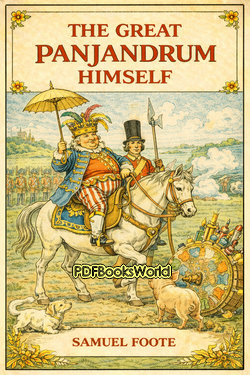
The Great Panjandrum Himself
by Samuel Foote
The Great Panjandrum Himself: A Classic Piece of Literary Nonsense
The Great Panjandrum Himself is one of the most famous examples of nonsense writing in English literature. Known for its strange wording, exaggerated style, and playful rhythm, the piece has entertained readers for generations through its unusual language and humorous absurdity.
The phrase “The Great Panjandrum” itself became widely recognized over time, often used to describe someone important, powerful, or overly self-important. Although the original passage appears dramatic and meaningful at first glance, it is intentionally filled with nonsense designed to amuse listeners rather than tell a serious story.
The Origins of the Famous Phrase
The nonsense passage was created in the eighteenth century by playwright Samuel Foote as a humorous demonstration of memory and pronunciation. Instead of using ordinary sentences, the text was deliberately filled with complicated and unusual language.
Despite having little logical meaning, the passage became memorable because of its energetic rhythm and theatrical style. Readers often enjoy it not for the plot, but for the amusing sound of the words and the exaggerated importance suggested by the title character.
Over the years, “The Great Panjandrum” entered popular language as a humorous term for influential or pompous people.
Why Nonsense Literature Became Popular
Nonsense writing has long been an important part of children’s literature and humor. Instead of focusing on realism or serious themes, nonsense stories celebrate imagination, rhythm, and playful confusion.
- Strange phrases create humor and surprise
- Rhythm and repetition make the passage memorable
- Exaggerated language adds theatrical energy
- Nonsense encourages creative interpretation
Works like The Great Panjandrum Himself helped influence later nonsense writers such as Edward Lear and Lewis Carroll, whose stories also used absurdity and playful language to entertain readers.
The Lasting Influence of the Piece
Although short and intentionally meaningless, the passage has remained famous because of its originality and sound. Readers and performers continue to enjoy reciting it aloud because the dramatic wording feels lively and entertaining.
| Feature | Effect on Readers |
|---|---|
| Inventive Language | Creates curiosity and humor |
| Exaggerated Tone | Makes the passage theatrical |
| Rhythmic Structure | Improves memorability |
| Nonsensical Meaning | Encourages imagination |
The piece also demonstrates how language can be entertaining even when it does not follow ordinary logic.
Final Thoughts
The Great Panjandrum Himself remains a fascinating example of classic nonsense literature. Through playful language, exaggerated importance, and rhythmic storytelling, the passage continues to amuse readers while showing the creative possibilities hidden within words and sound.
For readers interested in literary humor, nonsense writing, and the history of playful storytelling, this unusual work still offers a memorable and entertaining reading experience.
Similar Genres
About the Author
Samuel Foote was an English actor, playwright, theatre manager, and satirist whose lively comedies made him one of the most celebrated figures of eighteenth-century British theatre. Renowned for his sharp wit and gift for parody, he delighted audiences by humorously exposing vanity, pretension, and fashionable society. Explore Samuel Foote books to discover the author's life, literary career, and access notable works.