
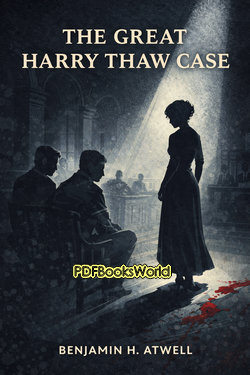
The Great Harry Thaw Case
by Benjamin H. Atwell
A Sensational Trial That Captivated a Nation
The Great Harry Thaw Case examines one of the most famous criminal trials in American history, a legal drama that captured public attention during the early twentieth century. The case centered on Harry Kendall Thaw, a wealthy heir whose actions led to a sensational murder trial involving questions of guilt, mental responsibility, social privilege, and media influence.
More than a simple criminal proceeding, the case became a cultural phenomenon. Newspapers across the country followed every development, transforming the courtroom into a stage upon which issues of morality, wealth, celebrity, and justice were publicly debated.
The story remains a fascinating example of how a single crime can capture the imagination of an entire nation.
The Crime That Shocked Society
The events at the center of the case began with the killing of architect Stanford White, one of the most prominent figures of his era. The shooting occurred in a highly public setting and immediately attracted widespread attention.
Because both the victim and the accused were well known in elite social circles, the crime generated enormous curiosity. Public interest grew even further as details emerged concerning personal relationships, family backgrounds, and long-standing grievances.
What might have been an ordinary murder trial quickly became front-page news throughout the United States.
A Courtroom Drama Unlike Any Other
The legal proceedings were remarkable for both their complexity and their public visibility. Lawyers on both sides presented extensive arguments regarding motive, responsibility, and the defendant's state of mind.
The case raised several important questions:
- How should mental illness affect criminal responsibility?
- Can emotional trauma influence legal judgment?
- Does wealth provide advantages within the justice system?
- What role should public opinion play in high-profile trials?
These issues helped transform the proceedings into a national conversation about law and society.
The Influence of the Press
One of the most striking aspects of the Harry Thaw case was the role played by newspapers. Journalists reported every testimony, rumor, and courtroom exchange, often presenting the participants as larger-than-life figures.
The trial occurred during a period when mass-circulation newspapers were becoming increasingly influential. Editors recognized that the public's appetite for dramatic stories could drive readership, and coverage of the case was often extensive and highly detailed.
As a result, the proceedings became one of the earliest examples of a modern media spectacle.
Questions of Wealth and Privilege
The case also highlighted social divisions within American society. Harry Thaw came from a wealthy and influential family, leading many observers to question whether his financial resources affected the course of the trial.
Debates about privilege, fairness, and equal treatment under the law became part of the broader discussion surrounding the proceedings. These concerns contributed to the lasting significance of the case and helped explain why it attracted attention far beyond the courtroom.
The trial became a lens through which many people examined the relationship between wealth and justice.
Historical Significance
Today, the Harry Thaw case is remembered not only because of its dramatic events but also because of the legal and cultural questions it raised. Historians often view it as a turning point in the relationship between criminal justice, celebrity culture, and mass media.
The trial demonstrated how public fascination with crime could shape national conversations and influence perceptions of legal proceedings. It also revealed the growing power of newspapers to transform real events into public spectacles.
Its legacy continues to interest scholars of law, history, journalism, and American culture.
Final Thoughts
The Great Harry Thaw Case offers a compelling examination of one of the most famous criminal trials of the early twentieth century. Combining murder, celebrity, legal controversy, and intense media attention, the case became far more than a courtroom dispute. It evolved into a national drama that raised enduring questions about justice, mental responsibility, privilege, and public opinion.
For readers interested in legal history, true crime, journalism, and American society, the story remains a fascinating and thought-provoking chapter in the nation's past.
Similar Genres
About the Author
Benjamin H. Atwell was an American lawyer, legal writer, and author whose work focused on explaining significant court cases and the legal principles behind them. Drawing upon his knowledge of the law, Atwell presented complex legal proceedings in a clear and organized manner, making them understandable to readers beyond the legal profession. Explore Benjamin H. Atwell books to discover the author's life, literary career, and access notable works.