A Timeless Portrait of the American Dream
The Great Gatsby is widely regarded as one of the greatest novels in American literature. Written by F. Scott Fitzgerald and published in 1925, the novel captures the glamour, ambition, and moral emptiness of the Jazz Age in the United States. More than a romantic tragedy, the story explores wealth, social status, illusion, and the pursuit of the American Dream.
Overview of the Story
The novel is narrated by Nick Carraway, a young man who moves to Long Island, New York, during the summer of 1922. Nick becomes fascinated by his mysterious neighbor, Jay Gatsby, a wealthy millionaire known for hosting extravagant parties attended by New York’s elite.
As Nick grows closer to Gatsby, he discovers that Gatsby’s wealth and lavish lifestyle are driven by a single obsession: rekindling his lost romance with Daisy Buchanan, a married woman from his past. Gatsby believes that money and success can recreate the perfect life he once imagined.
Themes That Make the Novel Enduring
One reason The Great Gatsby continues to resonate with readers is its exploration of timeless themes, including:
- the illusion of the American Dream,
- wealth and social inequality,
- love and obsession,
- identity and reinvention,
- and the emptiness hidden beneath luxury and success.
Fitzgerald portrays the glamorous lifestyle of the Roaring Twenties while revealing the loneliness, dishonesty, and emotional dissatisfaction behind the era’s wealth and excess.
The Character of Jay Gatsby
Jay Gatsby remains one of literature’s most iconic and tragic characters. He is ambitious, hopeful, and deeply romantic, yet his dream is built on illusion. Gatsby’s desire to reclaim the past ultimately becomes impossible, highlighting the novel’s central message about unattainable dreams and the dangers of living in nostalgia.
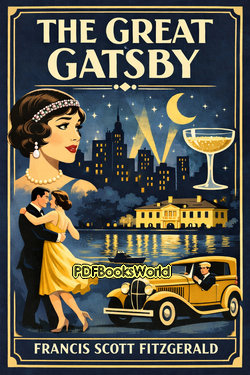
His famous mansion, extravagant parties, and mysterious reputation symbolize both success and emotional emptiness.
Fitzgerald’s Writing Style
F. Scott Fitzgerald’s lyrical writing style is one of the novel’s greatest strengths. The book combines vivid imagery with emotional depth, creating scenes that remain memorable decades after publication.
Symbols such as the green light, the eyes of Doctor T. J. Eckleburg, and Gatsby’s extravagant parties have become some of the most studied literary symbols in modern literature.
Cultural and Literary Influence
Although the novel was not a major commercial success when first released, it later became a defining work of twentieth-century literature. Today, it is taught in schools and universities around the world and has inspired numerous film, television, and stage adaptations.
The story’s themes remain highly relevant in discussions about ambition, social class, materialism, and modern society.
Why Modern Readers Still Connect With It
Modern readers continue to appreciate The Great Gatsby because its emotional conflicts and social observations still feel contemporary. The desire for status, recognition, love, and reinvention remains deeply familiar in modern culture.
The novel’s blend of romance, tragedy, wealth, and personal ambition allows readers from different generations to interpret the story in new ways.
Final Thoughts
The Great Gatsby remains a powerful exploration of ambition, illusion, and the pursuit of happiness. Through the tragic story of Jay Gatsby, F. Scott Fitzgerald created a literary masterpiece that continues to influence readers, writers, and popular culture nearly a century after its publication.
For anyone interested in classic literature, American history, or psychologically rich storytelling, this novel remains an essential and unforgettable read.