
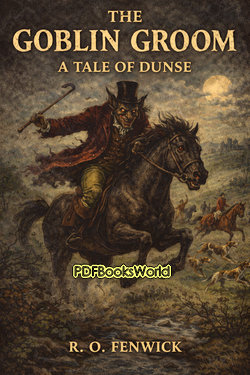
The Goblin Groom: a Tale of Dunse
by R. O. Fenwick
A Scottish Tale of Mystery, Folklore, and Supernatural Intrigue
The Goblin Groom: A Tale of Dunse by R. O. Fenwick is a fascinating work of fiction that draws upon the rich traditions of Scottish folklore and storytelling. Set in and around the historic town of Dunse in the Scottish Borders, the tale combines romance, mystery, local legend, and supernatural elements to create an engaging narrative. Like many traditional folk-inspired stories, it explores the uncertain boundary between the ordinary world and the realm of the unknown, where strange events and mysterious figures can alter the course of human lives.
The novel reflects a long-standing fascination with folklore, a tradition in which stories served both as entertainment and as a means of preserving local beliefs and customs. Through its memorable title and intriguing premise, the book invites readers into a world where appearances may be deceptive and where ancient legends continue to influence everyday life.
A Story Rooted in Scottish Tradition
The Scottish Borders have long been associated with ballads, legends, and tales of the supernatural. Fenwick draws upon this cultural heritage to create an atmosphere filled with mystery and anticipation. The setting itself plays an important role in the narrative, providing a landscape where old beliefs remain alive and where unusual occurrences seem entirely possible.
The story's connection to local tradition gives it a distinctive character. Readers encounter a world shaped by community stories, inherited customs, and lingering memories of the past, all of which contribute to the novel's unique appeal.
The Mystery of the Goblin Groom
At the heart of the tale is the enigmatic figure suggested by the title. The "Goblin Groom" represents both a character and a mystery, raising questions about identity, intention, and the influence of supernatural forces. As events unfold, characters must determine whether they are dealing with an ordinary individual, a misunderstood stranger, or something far more extraordinary.
This uncertainty creates much of the story's suspense. Fenwick skillfully maintains an atmosphere in which folklore and reality seem to overlap, encouraging readers to question what is true and what may be legend.
Elements That Shape the Narrative
- Scottish Folklore: Traditional beliefs and legends influence the story.
- Supernatural Mystery: Strange events create suspense and intrigue.
- Romantic Themes: Relationships play an important role in the plot.
- Local Setting: Dunse and the surrounding countryside provide a memorable backdrop.
- Community Traditions: Shared stories and customs shape the characters' world.
The Role of Folklore
One of the book's greatest strengths is its use of folklore as a storytelling tool. Traditional tales often contain warnings, lessons, or symbolic meanings, and Fenwick incorporates these elements into the narrative. The supernatural aspects of the story add excitement while also reflecting cultural beliefs that were once widely accepted.
By weaving folklore into the plot, the author preserves aspects of Scottish cultural heritage and introduces them to readers in an entertaining form. The result is a story that feels both imaginative and deeply connected to its regional roots.
Major Themes in the Tale
- Appearance and Reality: Things are not always what they seem.
- Tradition: Folklore and local customs influence everyday life.
- Mystery: Uncertainty drives both the plot and the characters' actions.
- Love and Loyalty: Relationships are tested by unusual circumstances.
- The Supernatural: The unknown challenges ordinary understanding.
Fenwick's Storytelling Style
R. O. Fenwick combines vivid descriptions with an appreciation for traditional storytelling. His narrative captures the atmosphere of the Scottish Borders while maintaining a sense of suspense and wonder. The blend of realistic settings and supernatural possibilities keeps readers engaged as the mystery gradually unfolds.
The author's respect for local history and folklore adds authenticity to the tale, making it more than a simple ghost story or romance. Instead, it becomes a celebration of the storytelling traditions that have shaped Scottish culture for generations.
Why the Story Remains Engaging
The Goblin Groom: A Tale of Dunse continues to appeal to readers because it combines timeless elements of folklore, mystery, and romance. The questions it raises about belief, identity, and the unknown remain compelling, while its Scottish setting provides a distinctive and memorable atmosphere.
For readers interested in folklore, regional fiction, and supernatural tales, the book offers an enjoyable journey into a world where legends still seem possible. Its blend of mystery, tradition, and imagination ensures that it remains a charming example of Scottish storytelling and a rewarding read for those who appreciate classic tales of the uncanny.
Similar Genres
About the Author
Robert Orde Fenwick, who published as R. O. Fenwick, was a Scottish poet whose surviving literary reputation rests on a single imaginative narrative poem. Writing during the Romantic era, Fenwick drew inspiration from Scottish folklore, rural traditions, and the popular narrative poetry of his time. Explore R. O. Fenwick books to discover the author's life, literary career, and access notable works.