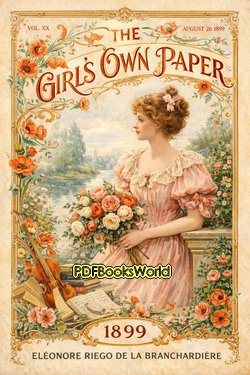
The Girl's Own Paper, Vol. XX, No. 1026, August 26, 1899
by Various Authors
A Victorian Magazine That Educated, Inspired, and Entertained Young Women
The Girl's Own Paper, Vol. XX, No. 1026, August 26, 1899 is a fascinating example of one of the most influential magazines created for girls and young women during the Victorian era. Published as part of the long-running Girl's Own Paper series, this issue combines fiction, educational articles, practical advice, and cultural commentary. Its pages provide modern readers with a valuable glimpse into the interests, expectations, and everyday lives of young women at the end of the nineteenth century.
A Magazine Designed for Learning and Enjoyment
First launched in 1880, The Girl's Own Paper became one of Britain's most widely read publications for female readers. It sought to balance entertainment with education, offering stories alongside articles about literature, science, history, fashion, music, and domestic life. The magazine encouraged intellectual curiosity while also reflecting the social values of its time.
Readers could enjoy serialized fiction, practical household guidance, and discussions about personal development, making each issue both informative and engaging.
The Variety Found Within Its Pages
One reason for the magazine's popularity was its diverse content. Rather than focusing on a single subject, it offered something for nearly every reader.
- Fiction and Serialized Stories: Adventures, romances, and family-centered narratives.
- Educational Articles: Pieces covering science, history, geography, and culture.
- Household Advice: Guidance on domestic management and practical skills.
- Fashion and Style: Discussions of clothing, appearance, and social customs.
- Music and Arts: Features that encouraged creative and cultural interests.
A Reflection of Victorian Society
The issue serves as more than simple entertainment. It reflects the attitudes, aspirations, and concerns of late Victorian Britain. Readers were encouraged to pursue education, develop useful skills, and cultivate strong moral character. At the same time, the publication acknowledged the changing opportunities available to women in areas such as employment, learning, and public life.
This combination of traditional values and gradual social progress makes the magazine especially interesting from a historical perspective.
Stories of Everyday Life and Personal Challenges
Like many issues of the publication, this volume contains narratives centered on relationships, family responsibilities, and personal growth. The stories often present characters facing challenges that require courage, patience, and good judgment. These themes helped readers connect with the material while also reinforcing lessons about responsibility and character.
The blend of drama and moral reflection was one of the magazine's defining features and contributed greatly to its popularity.
The Importance of Women's Publishing
Publications such as The Girl's Own Paper played an important role in expanding access to reading material for women and girls. They provided a platform for female writers, artists, and educators while encouraging readers to take an interest in subjects beyond the household. Over time, the magazine became an influential part of British literary and cultural life.
Its success demonstrated the growing demand for publications that addressed the interests and ambitions of women during a period of social change.
Why the Magazine Remains Valuable Today
Modern readers and historians continue to study Victorian magazines because they reveal how people understood the world around them. Issues like this one preserve details about fashion, education, entertainment, and everyday life that are often absent from traditional history books.
They also provide insight into how publishers communicated ideas about gender, culture, and personal development to a large audience of young readers.
A Rich Snapshot of Victorian Culture
The Girl's Own Paper, Vol. XX, No. 1026, August 26, 1899 remains an engaging and historically significant publication. Through its stories, articles, and educational features, it captured the interests and aspirations of a generation of young women. More than a magazine, it serves as a valuable record of Victorian society and the evolving role of women within it, offering modern readers an intriguing window into the past.