
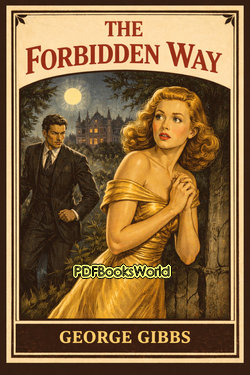
The Forbidden Way
by George Gibbs
Dangerous Choices, Hidden Desires, and the Cost of Crossing Social Boundaries
In many early twentieth-century novels, the greatest dangers were not always physical. Sometimes the real threat came from ambition, temptation, scandal, or the decision to reject society’s expectations. The Forbidden Way by George Gibbs explores that tension through a dramatic story shaped by emotional conflict, romance, secrecy, and moral uncertainty.
The novel moves through a world where appearances matter deeply, reputations can collapse overnight, and personal desire often collides with social restraint.
A Society Built on Rules and Expectations
The characters inhabit an environment governed by strict ideas about class, behavior, loyalty, and respectability. Public image carries enormous importance, especially within wealthy or socially ambitious circles.
Yet beneath polished manners and elegant surroundings lie jealousy, emotional dissatisfaction, and concealed motives.
The “forbidden way” of the title suggests more than one kind of transgression. It may involve romance, betrayal, ambition, or rebellion against accepted social limits.
The Emotional Forces Driving the Story
Rather than relying entirely on action, the novel builds tension through relationships and difficult personal decisions.
- Romantic attraction complicated by social pressure
- Hidden secrets threatening public reputation
- Conflicts between duty and personal happiness
- Characters tempted by risky emotional choices
These elements create a mood of uncertainty and emotional suspense.
The Appeal of Social Drama
Readers of the period were fascinated by stories revealing the hidden emotional life beneath respectable society. Novels like this allowed audiences to explore scandal, temptation, and rebellion within dramatic but controlled fictional settings.
George Gibbs uses emotional conflict to examine how people respond when social rules begin to clash with private desire.
The novel repeatedly asks whether personal fulfillment is worth the risk of public judgment.
Romance Mixed With Psychological Tension
Although romance plays a major role, the story also carries psychological intensity. Characters frequently struggle with hesitation, guilt, pride, and emotional vulnerability.
Conversations often conceal deeper meaning, and relationships shift as trust becomes uncertain.
This emotional complexity gives the novel more depth than a straightforward love story.
The Writing Style of George Gibbs
George Gibbs writes with dramatic pacing and strong attention to atmosphere and emotional interaction. Scenes frequently emphasize tension beneath polite social behavior.
The dialogue moves smoothly while gradually revealing character motivations and hidden conflict.
The combination of romance, secrecy, and social observation keeps the narrative engaging.
Why The Forbidden Way Still Holds Interest
The Forbidden Way remains appealing because questions involving desire, reputation, personal freedom, and social judgment continue to resonate across generations.
For readers interested in vintage romantic drama, psychological conflict, early twentieth-century society fiction, and emotionally charged storytelling, George Gibbs’s novel offers a compelling journey through temptation, secrecy, and the consequences of difficult choices.
Similar Genres
About the Author
George Gibbs was an American novelist whose exciting stories of romance, adventure, and mystery earned him a wide readership during the early twentieth century. He had a talent for creating fast-moving plots filled with suspense, memorable characters, and dramatic settings. Explore George Gibbs books to discover the author's life, literary career, and access notable works.