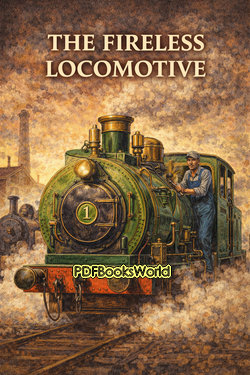
The Fireless Locomotive
by Anonymous
Industrial Innovation and the Evolution of Railroad Technology
The Fireless Locomotive by Anonymous is a historical and technological account examining the development and operation of fireless locomotives, a specialized form of steam-powered railway engine designed for safety and industrial efficiency. The work explores how engineers adapted locomotive technology to environments where conventional steam engines posed serious risks due to open flames and sparks.
The narrative presents industrial engineering as a field driven by practical problem-solving, innovation, and the constant search for safer and more efficient machinery.
The Design of the Fireless Locomotive
The book explains how fireless locomotives operated without carrying a traditional firebox or burning fuel directly during movement. Instead, the engines stored superheated steam generated externally before beginning their journeys.
This design made the locomotives especially useful in factories, mines, chemical plants, and explosive industrial environments where sparks or open flames could cause disaster. Engineers viewed the fireless locomotive as an important safety improvement within rapidly expanding industrial systems.
Rather than focusing only upon mechanical description, the work also emphasizes the broader industrial conditions encouraging technological experimentation and adaptation.
Industry, Safety, and Mechanical Progress
A major theme throughout the account is the relationship between industrial growth and engineering innovation. The narrative repeatedly explores how changing economic and industrial needs encouraged the creation of specialized transportation machinery.
The work also reflects the importance of safety within industrial operations during the late nineteenth and early twentieth centuries. As factories and rail systems expanded, engineers increasingly sought methods for reducing accidents and improving operational reliability.
At the same time, the story highlights admiration for mechanical ingenuity and technical craftsmanship.
This combination of industrial history and engineering explanation gives the work lasting historical interest.
Historical and Technological Themes Explored Throughout the Work
- Railroad Engineering: Specialized locomotive technology adapted to industrial needs.
- Industrial Safety: Fireless engines reduced danger in hazardous environments.
- Mechanical Innovation: Engineers developed practical solutions through experimentation.
- Steam Power and Industry: Locomotives supported expanding industrial production.
- Technological Adaptation: Machinery evolved in response to environmental and economic challenges.
The Work’s Informative Style
The Fireless Locomotive uses a practical and descriptive narrative style focused upon engineering concepts, industrial applications, and technological history. The anonymous author combines technical explanation with appreciation for innovation and industrial efficiency.
The work consistently presents engineering progress as essential to modern industrial development.
Why the Book Still Holds Historical Interest
Modern readers continue finding The Fireless Locomotive valuable because it preserves insight into a lesser-known but important chapter in transportation and industrial engineering history. The work also demonstrates how safety concerns and practical industrial demands shaped mechanical invention.
Its themes of railroad technology, industrial safety, steam engineering, mechanical innovation, and transportation history continue appealing to readers interested in industrial archaeology, railway systems, engineering history, and technological development.