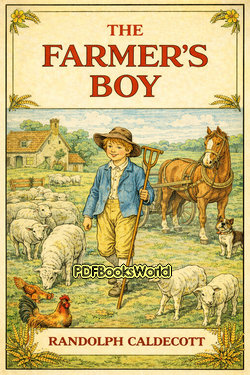
The Farmer's Boy
by Randolph Caldecott
The Farmer's Boy by Randolph Caldecott
The Farmer's Boy by Randolph Caldecott is a classic illustrated book based on the traditional English folk song celebrating rural life, hard work, and youthful energy. Through lively artwork and rhythmic storytelling, the book presents the cheerful adventures and daily activities of a young farm worker living in the countryside.
The story reflects a simpler agricultural world where daily life revolved around animals, fields, changing seasons, and outdoor labor. Instead of focusing on dramatic events, the book captures the charm and humor found in ordinary country life.
Life in the Countryside
The farmer’s boy is shown as active, energetic, and deeply connected to farm life. His days are filled with responsibilities, outdoor work, and interactions with animals and villagers.
The countryside setting becomes one of the most important parts of the book. Open fields, barns, horses, and village roads create a peaceful atmosphere that reflects traditional rural England.
The story also celebrates the rhythm of farm life, where work and community activities shape daily routines.
Main Elements of the Story
- The farmer’s boy working and traveling through the countryside
- Farm animals adding humor and movement
- Village life filled with activity and tradition
- Seasonal outdoor settings creating a warm atmosphere
These simple elements help create a story that feels cheerful, energetic, and easy for younger readers to enjoy.
Randolph Caldecott’s Illustrations
One reason the book remains memorable is Randolph Caldecott’s artwork. His illustrations are filled with motion, expression, and personality, helping bring the countryside scenes to life.
| Illustration Style | Effect on the Book |
|---|---|
| Energetic Figures | Create movement and excitement |
| Detailed Rural Scenes | Show everyday farm life clearly |
| Animal Expressions | Add humor and charm |
| Open Landscapes | Capture the beauty of the countryside |
The illustrations work closely with the verses, making the book enjoyable both visually and rhythmically.
The Themes Behind the Book
- Hard work and responsibility
- The beauty of rural life
- Community and tradition
- The connection between people and nature
- Joy found in everyday activities
These themes reflect the values often celebrated in traditional folk songs and older children’s literature.
Why Folk-Based Children’s Books Still Matter
Books inspired by folk songs and nursery rhymes continue to remain important because they preserve cultural traditions and storytelling styles from earlier generations.
The Farmer's Boy also introduces younger readers to a world that feels very different from modern urban life. The focus on farms, outdoor work, and village communities creates both educational value and nostalgic charm.
The musical rhythm of the text makes the story especially enjoyable for reading aloud during family story time or classroom activities.
Final Thoughts
The Farmer's Boy by Randolph Caldecott remains a lively and beautifully illustrated celebration of countryside life and traditional folk storytelling. Through cheerful verses and energetic artwork, the book captures the warmth, humor, and activity of rural England.
For readers interested in classic picture books, nursery rhymes, and historical children’s literature, the story continues to provide a charming look at a simpler and more playful world.
Similar Genres
About the Author
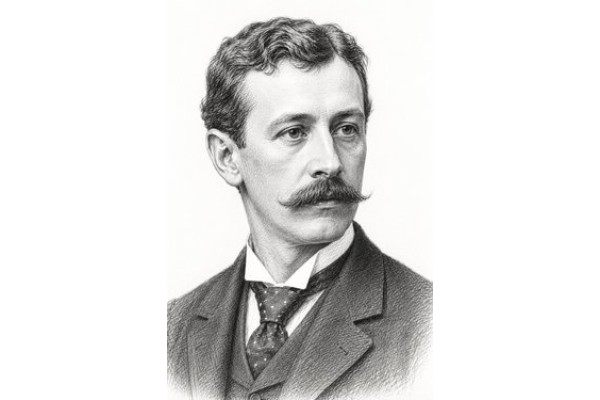
Randolph Caldecott transformed children's book illustration through his lively artwork and imaginative storytelling, leaving an influence that continues to shape illustrated books today. Born in England in 1846, Caldecott began his career as a bank clerk before pursuing his passion for art, eventually becoming one of the Victorian era's most celebrated illustrators. Explore Randolph Caldecott books to discover the author's life, literary career, and access notable works, including The Babes in the Wood, Come Lasses and Lads, The Fox Jumps Over the Parson's Gate, A Frog He Would A-Wooing Go , and more.