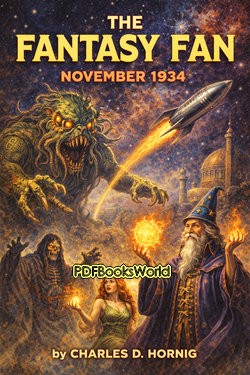
The Fantasy Fan November 1934
by Charles D. Hornig
Pulp Fantasy, Weird Fiction, and Fan Culture in the Early 1930s
The Fantasy Fan November 1934 by Charles D. Hornig is an important issue of one of the earliest fan magazines devoted to fantasy, horror, and science fiction literature. Published during the formative years of organized fandom, the magazine gathered essays, commentary, fiction, criticism, and reader discussion connected with the rapidly growing world of speculative fiction.
The publication reflects the enthusiasm of early fantasy and science fiction communities while preserving the literary culture surrounding pulp magazines and weird fiction during the 1930s.
The Role of The Fantasy Fan
The Fantasy Fan served as a meeting place for readers, writers, and critics interested in imaginative literature. Under Charles D. Hornig’s editorial direction, the magazine published reviews, essays, letters, and discussions involving authors and stories appearing within pulp magazines of the era.
The November 1934 issue reflects the close interaction between fans and emerging professional writers during a period when science fiction and fantasy fandom was still developing its identity. Readers actively debated literary quality, shared opinions about authors, and celebrated imaginative storytelling.
Rather than functioning as a commercial mass publication alone, the magazine fostered a sense of literary community and shared enthusiasm.
Fantasy, Horror, and Speculative Imagination
A major theme throughout the publication is admiration for imaginative fiction capable of exploring strange worlds, supernatural horror, scientific speculation, and cosmic mystery. Writers and readers treated fantasy literature as a serious artistic and intellectual form rather than simple entertainment.
The magazine also reflects the influence of authors associated with weird fiction and pulp-era storytelling. Discussions concerning style, originality, atmosphere, and speculative ideas reveal the literary interests shaping early fandom culture.
At the same time, the publication captures the excitement surrounding a rapidly growing genre community connected through magazines, letters, and amateur criticism.
This combination of literary enthusiasm and historical fandom gives the issue lasting cultural importance.
Literary and Cultural Themes Explored Throughout the Magazine
- Fantasy and Weird Fiction: Imaginative storytelling explores supernatural and speculative ideas.
- Early Science Fiction Fandom: Readers and writers form active literary communities.
- Literary Criticism and Discussion: Fans debate authors, stories, and genre development.
- Pulp Magazine Culture: Speculative fiction flourishes through independent magazines and fan publications.
- Creative Imagination and Escapism: Fantasy literature offers intellectual curiosity and emotional adventure.
Charles D. Hornig’s Editorial Influence
The Fantasy Fan November 1934 demonstrates Charles D. Hornig’s important role in encouraging early speculative fiction fandom and literary discussion. His editorial work helped connect readers and writers while supporting the growth of fantasy and science fiction as recognized literary genres.
Hornig consistently treated imaginative fiction with seriousness, enthusiasm, and intellectual respect.
Why the Magazine Still Holds Historical Interest
Modern readers continue finding The Fantasy Fan November 1934 valuable because it preserves the culture and conversations surrounding the early years of fantasy and science fiction fandom. The issue also provides insight into the origins of organized fan communities and the literary development of speculative fiction.
Its themes of fandom, weird fiction, literary criticism, imaginative storytelling, and pulp magazine culture continue appealing to readers interested in science fiction history, fantasy literature, publishing history, and early fan communities.
Similar Genres
About the Author

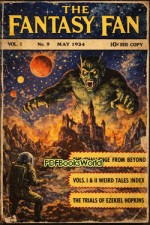
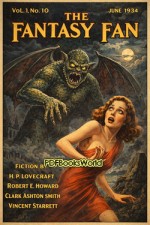
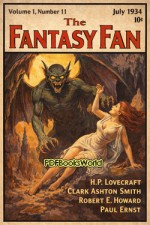
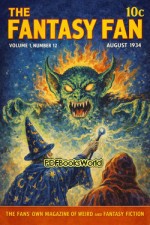
Charles D. Hornig was an American editor and science fiction writer whose influence on the genre extended well beyond his own published stories. Born in 1916, he became one of the youngest magazine editors in science fiction history when he took charge of Wonder Stories while still in his teens. Explore Charles D. Hornig books to discover the author's life, literary career, and access notable works, including The Fantasy Fan, Volume 1, Number 9, May 1934, The Fantasy Fan, Volume 1, Number 10, June 1934, The Fantasy Fan, Volume 1, Number 11, July 1934, The Fantasy Fan, Volume 1, Number 12, August 1934 , and more.