
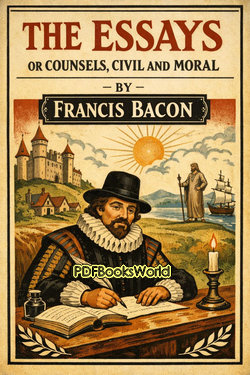
The Essays or Counsels, Civil and Moral
by Francis Bacon
Wisdom, Power, and Human Nature in Francis Bacon’s Timeless Essays
The Essays or Counsels, Civil and Moral by Francis Bacon remains one of the most influential collections of essays in English literature. First published in the seventeenth century, the work explores practical wisdom, human behavior, politics, ambition, friendship, education, and morality through short but deeply thoughtful reflections.
Unlike fictional stories or philosophical systems filled with complicated theories, Bacon’s essays focus on real-life experience and practical understanding. His writing encourages readers to think carefully about success, leadership, personal conduct, and the challenges of human nature.
Centuries after their publication, the essays continue to influence readers interested in philosophy, politics, ethics, and personal development.
The Purpose of Bacon’s Essays
Francis Bacon wrote these essays to provide observations and advice about everyday life, public affairs, and human relationships. Each essay examines a specific subject and presents ideas through concise arguments and memorable statements.
Rather than offering abstract philosophy alone, Bacon focuses on practical judgment and worldly understanding.
The collection discusses subjects such as:
Truth, ambition, friendship, studies, marriage, power, leadership, revenge, wisdom, human behavior, and moral responsibility.
Many of the essays are short, but they contain ideas that encourage deep reflection.
Francis Bacon and His Intellectual Influence
Francis Bacon was an English philosopher, statesman, lawyer, and writer who played an important role in the development of modern scientific thinking. He believed observation and experience were essential for gaining knowledge.
His intellectual influence extended far beyond literature and affected philosophy, politics, education, and science.
Bacon became widely known for:
Practical philosophy, political thought, scientific reasoning, and clear analytical writing.
Major Themes in the Essays
- Truth and Knowledge – Bacon explores the importance of honesty, learning, and intellectual discipline.
- Power and Ambition – Several essays examine leadership, political influence, and the dangers of excessive ambition.
- Human Nature – Bacon closely studies human strengths, weaknesses, desires, and behavior.
- Wisdom and Judgment – The essays encourage careful thinking and practical decision-making.
- Morality and Conduct – Bacon reflects on ethical behavior in both private and public life.
The Distinctive Style of Bacon’s Writing
One reason Bacon’s essays remain memorable is their concise and powerful style. He expresses complex ideas using short, carefully constructed sentences filled with insight and observation.
Many passages are written almost like proverbs or reflections that readers can apply to different situations in life.
His style is often characterized by:
Clarity, brevity, intellectual precision, practical wisdom, and thought-provoking observations.
The compact structure of the essays allows readers to revisit them repeatedly and discover new meanings over time.
Why the Essays Still Feel Relevant
Although Bacon wrote during the early modern period, many of his observations about ambition, politics, relationships, and human behavior still feel surprisingly modern.
Readers continue to connect with the essays because they address universal human concerns that remain relevant across different societies and historical periods.
Modern audiences often appreciate the collection because it:
Encourages critical thinking, explores practical wisdom, examines leadership realistically, and presents timeless insights into human behavior.
The essays remain valuable not only as literature but also as reflections on everyday life.
Important Essays in the Collection
Some of the most famous essays include “Of Studies,” “Of Truth,” “Of Friendship,” “Of Marriage and Single Life,” and “Of Revenge.”
Each essay focuses on a specific topic while offering observations designed to guide readers toward wiser judgment and better understanding.
Many of Bacon’s statements from these essays continue to be widely quoted today.
Interesting Facts About the Work
Francis Bacon gradually expanded the collection over multiple editions during his lifetime. The essays became highly influential in English prose writing and helped shape the development of the modern essay form. Writers and thinkers across Europe admired Bacon for his intellectual clarity and practical approach to philosophy.
Final Thoughts
The Essays or Counsels, Civil and Moral by Francis Bacon remains a remarkable collection of reflections on wisdom, ambition, morality, and human nature. Through concise but powerful writing, Bacon encourages readers to think carefully about life, leadership, and personal conduct.
For readers interested in philosophy, ethics, politics, or classic literature, the essays continue to provide timeless insight and intellectual depth centuries after they were first written.
Similar Genres
About the Author
Francis Bacon was an English philosopher, statesman, lawyer, and essayist whose ideas helped shape the development of modern scientific thinking and English prose. Renowned for his clear reasoning and practical approach to knowledge, he believed that observation and experience were the foundations of genuine understanding. Explore Francis Bacon books to discover the author's life, literary career, and access notable works.