
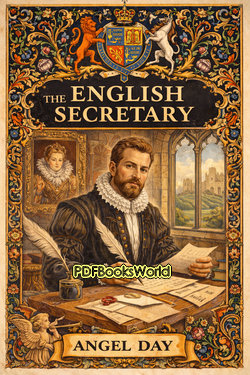
The English Secretary
by Angel Day
A Historic Guide to Letter Writing, Communication, and Renaissance Education
The English Secretary by Angel Day is an influential Renaissance manual devoted to the art of letter writing, formal communication, and proper written expression. First published during the late sixteenth century, the work became one of the most important English guides to correspondence and rhetorical style during the Elizabethan era.
The book reflects a period when written communication held increasing importance in government, business, diplomacy, and educated social life. Angel Day presents letter writing not merely as a practical skill, but as an art requiring learning, courtesy, structure, and rhetorical elegance.
The work serves both as an instructional manual and as a valuable historical document preserving Renaissance attitudes toward language and education.
The Art and Structure of Letter Writing
The manual provides examples and models for many different kinds of letters, including formal requests, personal correspondence, business communication, expressions of gratitude, apologies, recommendations, and diplomatic messages.
Angel Day explains how writers should adapt tone, wording, and style according to social rank, occasion, and purpose. Politeness, clarity, and rhetorical balance are treated as essential elements of effective communication.
The book reflects the growing sophistication of English prose during the Renaissance period.
The Formal Style of Angel Day
Angel Day writes in a learned and carefully structured style characteristic of Elizabethan prose. His language reflects Renaissance rhetorical traditions influenced by classical education and humanist scholarship.
The work combines instruction with elaborate examples intended to guide readers toward graceful and persuasive written expression.
Day’s emphasis on refinement and proper form demonstrates the cultural importance attached to educated communication during the period.
Main Themes and Educational Ideas
The book explores themes of rhetoric, education, social etiquette, communication, persuasion, and intellectual discipline. It also reflects the belief that effective language and proper correspondence were essential skills for educated and socially ambitious individuals.
Through examples and instruction, the work examines how writing shapes personal relationships, public reputation, and social interaction.
Why the Book Still Holds Importance
The English Secretary remains historically significant because it preserves important examples of Elizabethan language, rhetoric, and social customs. Scholars of Renaissance literature and communication often study the work to understand how people structured formal correspondence during the sixteenth century.
The manual also provides insight into the educational values and literary culture of early modern England.
Its role in the development of English prose and rhetorical instruction continues to make it valuable.
The Lasting Importance of Renaissance Rhetoric
Rhetorical education formed a central part of Renaissance learning because effective speech and writing were considered essential to politics, law, diplomacy, and public life. Manuals like The English Secretary helped standardize forms of communication and teach social refinement.
The rise of literacy and administrative government increased demand for practical guides to correspondence and formal expression.
The continuing study of Renaissance literature and language helps preserve appreciation for works like this.
Final Thoughts
The English Secretary by Angel Day is a historically important guide to letter writing and rhetorical communication during the Elizabethan era. Through formal instruction and carefully crafted examples, the work reveals the educational ideals and literary sophistication of Renaissance England.
For readers interested in Renaissance literature, rhetoric, language history, and the development of English prose, this work remains both informative and culturally significant.
Similar Genres
About the Author
Angel Day was an English writer, educator, and compiler whose work made an important contribution to the art of letter writing during the Elizabethan period. Living in the sixteenth century, Day recognized that clear and effective written communication was an essential skill for merchants, government officials, scholars, and private citizens alike. Explore Angel Day books to discover the author's life, literary career, and access notable works.