
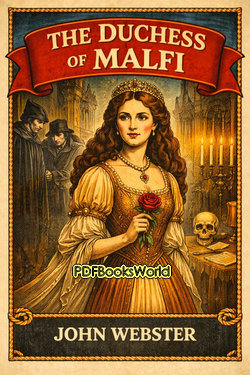
The Duchess of Malfi
by John Webster
A Dark and Powerful Tragedy of Ambition, Corruption, and Forbidden Love
The Duchess of Malfi by John Webster is one of the greatest tragedies of the English Renaissance, famous for its intense emotional drama, psychological darkness, political intrigue, and haunting atmosphere. First performed in the early seventeenth century, the play explores power, revenge, greed, morality, and the destructive consequences of corruption within aristocratic society.
Through unforgettable characters and shocking dramatic moments, Webster creates a tragic world where love and personal freedom are crushed by cruelty, obsession, and political control.
The Story of the Duchess
The play centers on the widowed Duchess of Malfi, an intelligent and independent noblewoman who secretly marries Antonio, a man beneath her social rank. Her brothers, Ferdinand and the Cardinal, fiercely oppose the relationship because of pride, greed, and obsession with family honor.
As the secret marriage becomes threatened, the Duchess faces manipulation, surveillance, betrayal, and horrifying acts of cruelty. The conflict gradually develops into a violent and emotionally devastating tragedy.
The Duchess remains one of the strongest and most courageous female characters in Renaissance drama.
Main Characters
- The Duchess, noble, intelligent, and determined to choose love freely
- Antonio, her loyal husband and trusted steward
- Ferdinand, the Duchess’s unstable and obsessive brother
- The Cardinal, corrupt, cold, and politically manipulative
- Bosola, a cynical and conflicted servant caught within the corruption around him
These characters create the emotional and political tension that drives the tragedy.
The Themes of Power and Corruption
One of the play’s most important themes is the abuse of power. Webster portrays a society where political authority and aristocratic privilege often become tools of cruelty and control.
The Duchess’s desire for personal freedom directly challenges the expectations and restrictions imposed by her brothers. Her tragedy reveals the dangers faced by individuals attempting to resist oppressive social systems.
The play also explores greed, revenge, moral decay, and the psychological effects of corruption.
Main Themes Explored in the Play
- Power, control, and political corruption
- Forbidden love and personal freedom
- Revenge, obsession, and psychological instability
- The conflict between morality and cruelty
These themes give the play emotional depth and lasting dramatic power.
The Writing Style of John Webster
Webster writes with poetic intensity, dark imagery, and dramatic emotional force. His language combines beauty with horror, creating an atmosphere filled with tension, fear, and psychological complexity.
The play contains memorable speeches, symbolic imagery, and scenes of disturbing emotional power. Webster’s tragic vision often feels darker and more unsettling than that of many of his contemporaries.
His ability to portray both cruelty and human dignity helped make the play one of the masterpieces of Renaissance tragedy.
Why The Duchess of Malfi Still Captivates Readers and Audiences
The Duchess of Malfi continues to fascinate modern audiences because its themes of corruption, abuse of power, gender oppression, and personal resistance remain deeply relevant.
For readers interested in classic drama, Gothic tragedy, Renaissance literature, and psychologically complex storytelling, John Webster’s play remains one of the most powerful and haunting works in English theatrical history.
Similar Genres
About the Author
John Webster was an English playwright and poet who became one of the most important dramatists of the Jacobean period. Writing during the early seventeenth century, he created powerful tragedies that explored ambition, revenge, justice, and the darker side of human nature. Webster's plays are admired for their rich language, memorable characters, and deep psychological insight. Explore John Webster books to discover the author's life, literary career, and access notable works.