
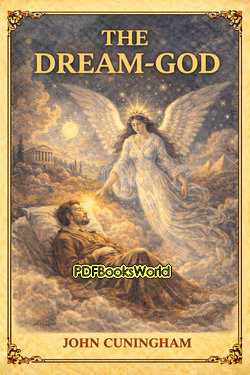
The Dream-God
by John Cuningham
A Poetic Exploration of Dreams, Imagination, and the Inner World
The Dream-God by John Cuningham is a poetic work that delves into the mysterious realm of dreams and the power of imagination. Through lyrical language and symbolic imagery, the poem invites readers to journey beyond the boundaries of ordinary experience into a landscape shaped by memory, desire, beauty, and wonder. Like much imaginative poetry, it seeks not merely to describe the world but to reveal hidden dimensions of thought and feeling.
The title suggests the presence of a guiding figure, a divine or mythic force associated with dreams. This Dream-God serves as both a symbol and a poetic device, representing the creative energies that influence human imagination and shape the visions encountered in sleep and contemplation.
The work belongs to a long literary tradition that views dreams as gateways to deeper truths and unexplored regions of the mind.
The Symbolism of the Dream-God
Throughout literature and mythology, dreams have often been portrayed as messages from supernatural powers, reflections of hidden desires, or glimpses into realities beyond ordinary perception. In Cuningham's poem, the Dream-God embodies these possibilities.
Rather than functioning as a conventional deity, the figure represents the mysterious force that inspires visions, emotions, and artistic creation. Through this symbolic presence, the poem explores how imagination can transform everyday experience into something extraordinary.
The Dream-God becomes a bridge between the visible world and the realm of fantasy and reflection.
A Landscape Shaped by Imagination
One of the poem's most striking features is its rich imagery. Dreams allow the poet to move freely through scenes that blend reality and fantasy, creating an atmosphere where ordinary rules no longer apply.
Readers may encounter images associated with:
- Mythical and supernatural figures.
- Shifting landscapes and dreamlike settings.
- Memories transformed by imagination.
- Visions of beauty, mystery, and longing.
These elements contribute to a sense of wonder that defines the poem's mood and structure.
John Cuningham's Poetic Style
John Cuningham writes in a style that emphasizes musicality, symbolism, and emotional resonance. His language is often designed to evoke feelings and impressions rather than provide direct explanations. This approach encourages readers to interpret the poem through personal reflection as much as through literal meaning.
The verse reflects a fascination with the imaginative possibilities of poetry itself. Rather than focusing on external events, Cuningham turns inward, exploring the emotional and psychological experiences that shape human consciousness.
This introspective quality gives the work much of its distinctive character.
Themes Beneath the Visionary Imagery
Although the poem is rich in fantasy and symbolism, it engages with themes that have universal significance. Dreams serve as a metaphor for creativity, aspiration, and the search for meaning beyond everyday routines.
The work also explores the relationship between reality and imagination. By presenting dream experiences as meaningful and transformative, the poem suggests that inner visions can reveal truths that are inaccessible through reason alone.
Another important theme is beauty, particularly the capacity of art and imagination to elevate ordinary experience into something profound.
A Reflection of Romantic and Symbolist Traditions
The Dream-God shares characteristics with poetic movements that valued imagination, emotion, and symbolism. Like many Romantic and later Symbolist works, it treats the inner life as a worthy subject of artistic exploration.
Rather than focusing on practical concerns, the poem celebrates mystery and the limitless possibilities of the creative mind. This perspective places it within a rich literary heritage that includes some of the most imaginative poetry ever written.
Its dreamlike atmosphere remains one of its greatest strengths.
Why the Poem Remains Engaging
The Dream-God continues to appeal to readers because dreams remain a source of fascination. Questions about imagination, creativity, memory, and the unconscious mind are as compelling today as they were when the poem was written.
The work's emphasis on symbolism and personal interpretation allows each reader to discover unique meanings within its imagery. This openness contributes to its lasting interest and artistic value.
Final Thoughts
The Dream-God by John Cuningham is a reflective and imaginative poem that explores the mysteries of dreams and the creative power of the human mind. Through symbolic imagery, lyrical language, and philosophical depth, the work invites readers into a realm where imagination transcends ordinary reality.
For those interested in visionary poetry, symbolism, and literary explorations of the inner world, this poem offers a rewarding and evocative experience.
Similar Genres
About the Author
John Cuningham was a poet and author whose writings explored imagination, emotion, and the inner world of human experience. His poetry reflected a fascination with dreams, nature, beauty, and the mysteries of life, placing him within the rich tradition of lyrical literature. Explore John Cuningham books to discover the author's life, literary career, and access notable works.