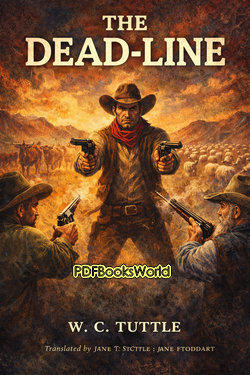
The Dead-Line
by W. C. Tuttle
Justice, Danger, and Determination on the Western Frontier
The Dead-Line by W. C. Tuttle is an exciting Western novel that captures the spirit of the American frontier. Known for his action-filled stories and memorable characters, Tuttle crafts a tale where law, loyalty, and survival collide in a rugged landscape. Set against the backdrop of ranches, dusty trails, and small frontier communities, the novel delivers suspense, conflict, and the kind of adventure that has made Western fiction a lasting favorite among readers.
A Frontier Under Pressure
The story unfolds in a region where tensions run high and disputes can quickly become dangerous. Land ownership, personal rivalries, and questions of justice influence the lives of the people who call the frontier home. In this challenging environment, characters must rely on courage and determination to overcome obstacles and protect what matters most to them.
The Meaning of the Dead-Line
The title refers to a boundary that carries significant consequences within the story. Whether physical, legal, or symbolic, this line represents the limits that characters must respect or risk crossing. As the narrative progresses, the importance of this boundary becomes increasingly clear, driving much of the conflict and suspense.
Elements That Define the Story
- Frontier Action: The novel features confrontations, pursuits, and moments of danger.
- Strong Characters: Determined individuals face difficult choices and personal challenges.
- Community Conflict: Disputes between people and interests shape the course of events.
- Western Atmosphere: Ranches, open landscapes, and frontier towns provide an authentic setting.
Conflict and Suspense
Like many classic Westerns, the novel builds tension through clashes between competing interests. Characters find themselves caught between duty, personal ambition, and loyalty to others. Unexpected developments keep the story moving, while the ever-present possibility of danger adds excitement to every stage of the narrative.
Major Themes in the Novel
- Justice: The search for fairness plays an important role throughout the story.
- Courage: Characters must face risks and stand by their convictions.
- Loyalty: Friendships and personal commitments influence important decisions.
- Responsibility: Actions often carry consequences that affect entire communities.
- Perseverance: Success requires determination in the face of adversity.
W. C. Tuttle’s Storytelling Style
W. C. Tuttle was celebrated for his ability to combine humor, action, and strong characterization. His writing captures the energy of frontier life while maintaining a fast-moving pace that keeps readers engaged. Through vivid scenes and realistic dialogue, he creates a believable world where danger and opportunity exist side by side.
Why Western Readers Continue to Enjoy It
The Dead-Line remains an enjoyable example of classic Western fiction. Its blend of action, suspense, and frontier drama reflects many of the qualities that define the genre. Readers who appreciate tales of rugged landscapes, personal courage, and hard-earned justice will find this novel a rewarding journey into the American West.
Similar Genres
About the Author
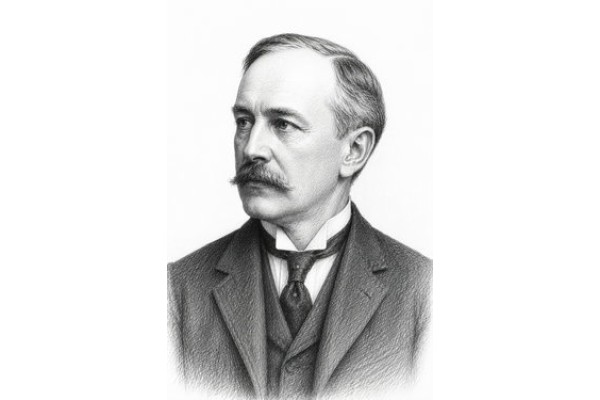
W. C. Tuttle, born William Clinton Tuttle in 1883, was one of the most popular writers of Western fiction during the early twentieth century. With a talent for blending frontier adventure, light-hearted humor, and memorable characters, he created stories that captured the spirit of the American West. Explore W. C. Tuttle books to discover the author's life, literary career, and access notable works, including Bearly Reasonable, Cinders, Creepin’ Tintypes, Dirty Work for Doughgod , and more.