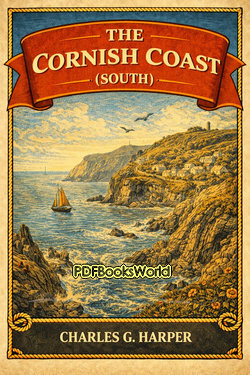
The Cornish Coast (South)
by Charles G. Harper
Exploring the Rugged Beauty and Maritime History of Southern Cornwall
Windswept cliffs, hidden fishing villages, ancient harbors, and dramatic Atlantic scenery define the unforgettable atmosphere of Cornwall’s southern coastline. In The Cornish Coast (South), Charles G. Harper takes readers on a richly detailed journey through one of Britain’s most picturesque coastal regions, blending travel writing, local history, folklore, architecture, and personal observation.
Rather than presenting Cornwall as a simple tourist destination, Harper explores the region as a living landscape shaped by centuries of maritime tradition, isolation, trade, and legend.
A Coastline Shaped by the Sea
The southern Cornish coast has long depended on the sea for survival and identity. Fishing, shipping, trade, and smuggling all played important roles in the region’s development.
Harper describes rugged coves, narrow harbors, and dangerous coastal waters that challenged sailors for generations. The coastline’s natural beauty exists alongside reminders of shipwrecks, storms, and hard maritime labor.
The sea is presented not only as scenery but also as a powerful force shaping local culture and everyday life.
Places and Features Highlighted in the Book
- Historic fishing villages filled with local character and maritime tradition
- Ancient churches and stone buildings overlooking the coast
- Harbors and coastal paths connected with trade and seafaring history
- Cliffs, coves, and beaches known for dramatic natural beauty
These locations help create a vivid portrait of Cornwall’s southern shore.
History, Folklore, and Local Identity
One of the book’s most engaging qualities is its blend of history and folklore. Harper includes stories about local legends, historical events, old customs, and famous figures associated with Cornwall.
The region’s sense of identity appears strongly throughout the narrative. Ancient traditions, regional pride, and connections to the landscape remain central to the character of Cornwall.
Readers encounter a place where myth, history, and everyday life frequently overlap.
The Charm of Slow Travel
Unlike modern travel guides focused mainly on quick sightseeing, Harper’s work encourages slower and more thoughtful exploration. He pauses to observe architecture, landscapes, village life, and historical details that many travelers might overlook.
The writing invites readers to appreciate atmosphere and historical depth rather than rushing from one attraction to another.
This reflective approach gives the book warmth and literary character.
The Writing Style of Charles G. Harper
Harper writes in an elegant and descriptive style filled with personality and historical curiosity. His observations combine travel narrative with storytelling, creating a reading experience that feels both informative and atmospheric.
The descriptions of coastal scenery are especially vivid, capturing the changing moods of the sea, cliffs, and countryside.
His enthusiasm for regional history and local culture gives the book lasting charm.
Why The Cornish Coast (South) Still Appeals to Readers
The Cornish Coast (South) remains enjoyable because it preserves the beauty, history, and distinctive spirit of Cornwall during an earlier period of British coastal life.
For readers interested in travel literature, maritime history, regional culture, and scenic landscapes, Charles G. Harper’s work offers an immersive and nostalgic journey along one of Britain’s most fascinating coastlines.
Similar Genres
About the Author
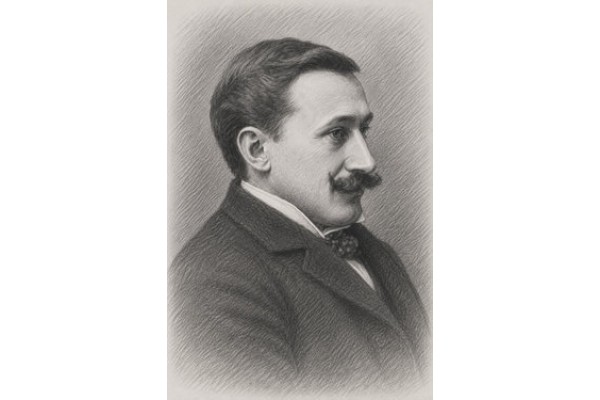
Charles G. Harper was an English author, journalist, illustrator, and travel writer whose richly detailed books captured the landscapes, roads, towns, and historic landmarks of Britain during the late nineteenth and early twentieth centuries. Explore Charles G. Harper books to discover the author's life, literary career, and access notable works, including The Old Inns of Old England , and more.