
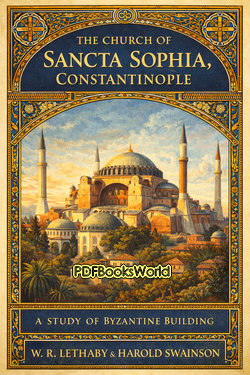
The Church of Sancta Sophia, Constantinople: A Study of Byzantine Building
by William Richard Lethaby
An In-Depth Study of One of the World's Greatest Architectural Monuments
The Church of Sancta Sophia, Constantinople: A Study of Byzantine Building by William Richard Lethaby is a landmark work of architectural history devoted to the celebrated church known today as Hagia Sophia. Combining scholarly research, architectural analysis, and historical insight, Lethaby examines one of the most influential buildings ever constructed. The book explores the design, engineering, symbolism, and artistic achievements that made the structure a masterpiece of Byzantine architecture and a lasting monument of world civilization.
The Importance of Sancta Sophia
Constructed in the sixth century during the reign of Emperor Justinian I, Sancta Sophia stood as the principal church of the Byzantine Empire for nearly a thousand years. Its immense dome, innovative engineering, and magnificent interior decoration astonished contemporaries and influenced generations of architects.
Lethaby presents the building not merely as a religious structure but as a remarkable achievement of human creativity and technical skill.
Architectural Features Examined in the Book
- The Great Dome: One of the most celebrated engineering accomplishments of the ancient world.
- Interior Space: A vast and harmonious arrangement designed to inspire awe.
- Mosaics and Decoration: Artistic elements that enriched the visual and spiritual experience.
- Structural Innovation: Techniques that allowed the building to support its enormous dome.
- Lighting Effects: The use of windows and reflected light to create a sense of grandeur.
The Byzantine Architectural Tradition
The book places Sancta Sophia within the broader context of Byzantine architecture, a style that combined Roman engineering, Christian symbolism, and distinctive artistic traditions. Lethaby explains how architects developed new methods for creating large interior spaces while maintaining structural stability.
Through this analysis, readers gain a deeper appreciation of the ingenuity that defined Byzantine building practices.
William Richard Lethaby's Scholarly Approach
As an architect, historian, and influential figure in the Arts and Crafts movement, Lethaby brought both technical expertise and artistic sensitivity to his study. He carefully examined the building's proportions, construction methods, and decorative elements, seeking to understand not only how it was built but also why it continues to inspire admiration.
His work helped establish higher standards for architectural scholarship and historical analysis.
Art, Engineering, and Spiritual Meaning
One of the book's central themes is the integration of practical engineering with artistic and religious purposes. Sancta Sophia was designed to serve as a place of worship while also expressing imperial authority and spiritual aspiration through architecture.
Lethaby demonstrates how every aspect of the structure contributes to this larger vision, from its soaring dome to its carefully planned interior spaces.
Why the Book Remains Significant
Architects, historians, archaeologists, and students of art continue to value this work for its detailed examination of a building that shaped architectural history across Europe and the Near East. The study remains an important resource for understanding both Byzantine culture and the development of monumental architecture.
It also highlights the enduring importance of preserving and studying historic structures that embody centuries of human achievement.
A Classic Study of Byzantine Architecture
The Church of Sancta Sophia, Constantinople: A Study of Byzantine Building stands as one of the most respected examinations of Hagia Sophia and its architectural legacy. Through careful research and insightful analysis, William Richard Lethaby reveals the brilliance of a structure that continues to captivate visitors and scholars alike. The book remains essential reading for anyone interested in architecture, history, art, and the remarkable achievements of the Byzantine world.
Similar Genres
About the Author
William Richard Lethaby was an English architect, architectural historian, educator, and influential writer whose ideas helped shape modern architectural thought. A leading figure in the Arts and Crafts movement, he believed that architecture should unite beauty, skilled craftsmanship, and practical purpose. Explore William Richard Lethaby books to discover the author's life, literary career, and access notable works.