
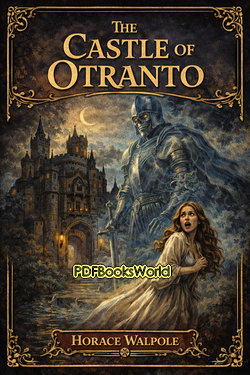
The Castle of Otranto
by Horace Walpole
A Classic Gothic Novel Filled With Mystery, Fear, and Supernatural Secrets
The Castle of Otranto by Horace Walpole is widely regarded as the first Gothic novel in English literature. First published in 1764, the story combines mystery, supernatural events, ancient prophecies, and dark family secrets within the walls of a haunted medieval castle.
The novel became highly influential because it introduced many elements that later defined Gothic fiction, including eerie settings, emotional tension, hidden identities, and supernatural terror. Walpole’s imaginative storytelling shaped the future of horror, mystery, and romantic literature.
About the Author
Horace Walpole was an English writer, historian, and politician known for his interest in medieval art, architecture, and Gothic style. He became famous for creating a new literary form that blended romance, fantasy, and horror.
Walpole’s fascination with ancient castles and dramatic storytelling strongly influenced the atmosphere and themes of The Castle of Otranto.
Main Themes of the Novel
The story focuses on Manfred, the ruler of Otranto, whose family becomes haunted by mysterious prophecies and supernatural events connected to the castle.
Important Themes Discussed
- Fear and supernatural mystery
- Power, ambition, and tyranny
- Fate and ancient prophecy
- Family secrets and hidden identity
The novel also explores the emotional intensity created by guilt, obsession, and the fear of losing power.
The Haunted World of Otranto
Strange events begin almost immediately in the story, including mysterious appearances, giant supernatural objects, and terrifying visions connected to the castle’s dark history.
As Manfred attempts to control his family’s fate, the prophecy surrounding Otranto slowly unfolds, creating suspense and dramatic conflict throughout the novel.
What Makes the Novel Unique
- First major Gothic novel in English literature
- Blend of supernatural horror and romance
- Dark medieval atmosphere and dramatic suspense
Writing Style
Walpole’s writing style is dramatic, emotional, and imaginative. He combines medieval imagery, suspenseful dialogue, and supernatural events to create a mysterious and haunting atmosphere.
The novel’s emotional intensity and eerie setting helped establish the style later used in Gothic and horror fiction.
Historical Importance
The Castle of Otranto became one of the most influential works in the history of Gothic literature and horror storytelling. The novel inspired later writers such as Mary Shelley, Edgar Allan Poe, and Bram Stoker.
Historical Features
- Creation of the Gothic literary tradition
- Influence on horror and supernatural fiction
- Revival of medieval themes and settings
The book also reflected eighteenth-century fascination with mystery, emotion, and the supernatural.
Lessons for Modern Readers
Modern readers continue to enjoy the novel because of its suspense, dark atmosphere, and imaginative storytelling. Many familiar Gothic themes found in modern horror and fantasy fiction began with Walpole’s work.
The novel also encourages reflection on fear, ambition, and the consequences of trying to control fate and power.
Conclusion
The Castle of Otranto by Horace Walpole remains a landmark work of Gothic fiction and literary horror. Through supernatural mystery, dramatic storytelling, and haunting atmosphere, Walpole created a novel that continues to influence readers and writers around the world.
Similar Genres
About the Author
Horace Walpole (1717–1797) was an English writer, historian, politician, and art collector who is widely regarded as the founder of the Gothic novel. A man of many interests, he was deeply involved in literature, architecture, and the arts, and his famous home, Strawberry Hill, became one of the earliest examples of Gothic Revival architecture in England. Explore Horace Walpole books to discover the author's life, literary career, and access notable works.