
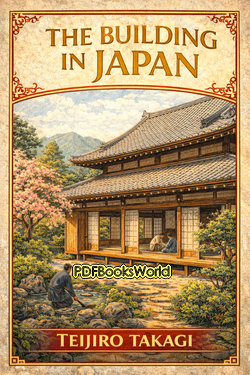
The Building in Japan
by Teijiro Takagi
Understanding the Art, Craft, and Tradition of Japanese Architecture
The Building in Japan by Teijiro Takagi is an insightful study of Japanese architecture and construction practices. The book introduces readers to the principles, materials, techniques, and cultural influences that have shaped building design in Japan for centuries. Combining practical knowledge with historical and artistic perspectives, Takagi presents a detailed examination of how Japanese builders created structures that balanced beauty, functionality, and harmony with nature.
More than a technical guide, the work serves as a window into Japanese culture. Buildings reflect the values and traditions of the societies that create them, and Japanese architecture is no exception. Through its exploration of homes, temples, gardens, and public structures, the book reveals how architectural design became an expression of aesthetics, craftsmanship, and daily life.
The Foundations of Japanese Architecture
One of the central themes of the book is the unique character of traditional Japanese building methods. Unlike many Western structures that emphasized stone and masonry, Japanese architecture developed around the use of wood. Abundant forests provided builders with a versatile material that could be shaped into elegant and durable structures.
Takagi explains how carpenters and craftsmen developed sophisticated techniques that allowed buildings to withstand environmental challenges while maintaining their visual appeal. The careful selection of materials and attention to detail became defining features of Japanese construction.
Harmony with Nature
A distinctive aspect of Japanese architecture is its close relationship with the natural environment. Buildings were often designed to complement rather than dominate their surroundings. Gardens, courtyards, and open spaces played an important role in creating a sense of balance and tranquility.
The book highlights how architects and builders considered factors such as sunlight, seasonal changes, and landscape features when planning structures. This approach created living spaces that encouraged appreciation of nature and fostered a sense of harmony between human activity and the environment.
Key Topics Covered in the Book
- Traditional Building Techniques: Methods used by Japanese craftsmen and carpenters.
- Construction Materials: The importance of wood and other natural resources.
- Architectural Design: Principles that shaped residential and public buildings.
- Cultural Influences: The role of religion, aesthetics, and social customs.
- Historical Development: The evolution of Japanese architecture through different periods.
The Role of Craftsmanship
Throughout the book, Takagi emphasizes the skill and dedication of Japanese craftsmen. Traditional builders devoted years to mastering their trades, learning techniques that had been passed down through generations. Their work required precision, patience, and a deep understanding of materials.
This commitment to craftsmanship contributed to the enduring beauty of Japanese buildings. Even simple structures often displayed remarkable attention to proportion, detail, and construction quality. The book celebrates these achievements while explaining the knowledge required to create them.
Major Themes in the Work
- Harmony: Buildings should exist in balance with their surroundings.
- Craftsmanship: Skilled workmanship is essential to lasting quality.
- Tradition: Architectural practices preserve cultural heritage.
- Simplicity: Elegant design often emerges from restraint and careful planning.
- Functionality: Structures should serve practical needs while maintaining beauty.
Architecture as Cultural Expression
The book demonstrates that architecture is more than construction. It reflects the beliefs, priorities, and artistic preferences of a society. Japanese buildings often reveal values such as simplicity, respect for nature, and appreciation for craftsmanship. By studying architecture, readers gain a deeper understanding of the culture that produced it.
Takagi's observations help bridge the gap between technical knowledge and cultural history, making the work valuable to both architecture enthusiasts and general readers.
Why the Book Remains Important
The Building in Japan continues to be a useful resource for those interested in architecture, design, and Japanese culture. Its examination of traditional construction methods and architectural principles offers insights that remain relevant even in an age of modern technology. Many contemporary architects continue to draw inspiration from the concepts of simplicity, balance, and environmental awareness discussed in the book.
For readers seeking to understand the foundations of Japanese architectural tradition, this work provides a thoughtful and informative introduction. It preserves knowledge of building practices while celebrating the creativity and craftsmanship that have made Japanese architecture admired throughout the world.
Similar Genres
About the Author
Teijiro Takagi was a Japanese architect, educator, and author whose writings introduced traditional Japanese architecture and building practices to an international audience. Through detailed explanations of construction methods, design principles, and the cultural foundations of Japanese buildings, Takagi helped readers appreciate one of the world's most distinctive architectural traditions. Explore Teijiro Takagi books to discover the author's life, literary career, and access notable works.