
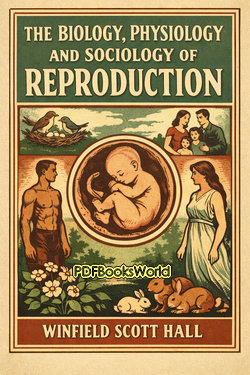
The Biology, Physiology and Sociology of Reproduction
by Winfield Scott Hall
Human Reproduction, Social Development, and the Scientific Study of Life
The Biology, Physiology and Sociology of Reproduction by Winfield Scott Hall is a scientific and educational work examining human reproduction through the combined perspectives of biology, physiology, medicine, and social science. Written during the early twentieth century, the book reflects growing public and scientific interest in heredity, sexual health, population, family life, and the biological foundations of human development.
Hall presents reproduction not merely as a biological process, but as a subject deeply connected to health, morality, education, society, and the future of civilization.
The Biological Foundations of Reproduction
The book explores the anatomy and physiology of the reproductive system while explaining fertilization, embryonic development, heredity, growth, and sexual maturation. Hall discusses the biological mechanisms governing reproduction and the role of reproductive processes within the continuation of life.
He also examines the influence of hormones, physical development, and heredity upon human behavior and health.
Rather than treating reproduction as a taboo subject, the work argues that scientific understanding is essential for responsible personal conduct and informed social development.
The volume reflects an era when biology, medicine, and social reform movements increasingly emphasized scientific education concerning health and human reproduction.
Its tone combines medical explanation with educational purpose and social commentary.
The Relationship Between Biology and Society
A major theme throughout the book is that reproductive health and biological knowledge strongly influence social stability, family life, and public wellbeing.
Hall repeatedly emphasizes the importance of education, hygiene, self-control, and responsible conduct in matters involving sexuality and reproduction.
The work also reflects early twentieth-century debates surrounding public health, heredity, social responsibility, and the scientific study of human development.
This effort to connect biological science with broader social questions gives the book lasting historical significance.
Scientific and Social Topics Explored Throughout the Book
- Human Reproductive Physiology: Hall explains the biological systems and processes involved in reproduction.
- Heredity and Human Development: The book explores inheritance, growth, and embryological development.
- Sexual Health and Hygiene: Scientific understanding is connected to personal wellbeing and responsible conduct.
- Biology and Social Organization: Reproduction is examined within the context of family, society, and civilization.
- Education and Public Health: The work emphasizes the importance of scientific instruction concerning human biology.
The book reflects the growing influence of biology and physiology within discussions of education and social reform during the early twentieth century.
Scientific Understanding and Human Responsibility
One of the work’s strongest ideas is that biological knowledge should guide responsible behavior and informed decision-making rather than ignorance or superstition.
Hall repeatedly demonstrates how scientific education concerning reproduction can contribute to individual health and social wellbeing.
The book also reveals how advances in physiology and biology increasingly shaped public discussion about family life, morality, and human development.
This combination of science and social philosophy helped reproductive education become a more important subject within modern public health movements.
Winfield Scott Hall’s Educational Scientific Style
The Biology, Physiology and Sociology of Reproduction demonstrates Winfield Scott Hall’s ability to combine medical science, biological explanation, and social analysis into organized and accessible discussion.
The writing remains educational, methodical, and strongly focused upon presenting scientific knowledge in ways useful to students and general readers.
Hall consistently presents biology as a science deeply connected to both personal life and the broader organization of society.
Why the Book Still Holds Historical and Scientific Interest
Modern readers continue finding The Biology, Physiology and Sociology of Reproduction historically valuable because it reflects early twentieth-century scientific attitudes toward reproduction, heredity, education, and public health.
The book also provides insight into how biological science increasingly influenced discussions of sexuality, social responsibility, and medical education during a period of rapid scientific and cultural change.
Its discussions of physiology, heredity, and reproductive health remain historically significant within the broader development of biology, medicine, and social science.
For readers interested in biology, physiology, medical history, public health, sociology, reproductive science, and the history of scientific education, this work remains historically revealing, educational, and intellectually engaging.
Similar Genres
About the Author
Winfield Scott Hall was an American physician, physiologist, educator, and author who devoted his career to advancing the study of human physiology and public health education. As a professor of physiology, he believed that a sound understanding of the human body was essential for both medical students and the general public. Explore Winfield Scott Hall books to discover the author's life, literary career, and access notable works.