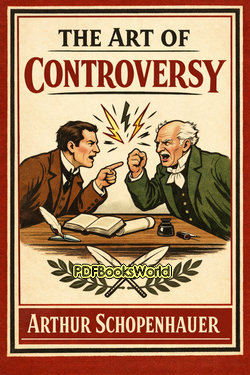
The Art of Controversy
by Arthur Schopenhauer
A Sharp and Thought-Provoking Guide to Winning Arguments and Understanding Human Nature
The Art of Controversy by Arthur Schopenhauer is a fascinating philosophical work that examines the tactics people use during arguments, debates, and intellectual disputes. Rather than focusing purely on truth or logic, Schopenhauer explores how individuals attempt to defeat opponents, protect their pride, and gain advantage during discussion.
The book remains widely discussed because of its surprisingly modern observations about persuasion, manipulation, ego, and human behavior. Written with sharp wit and skepticism, the work offers readers insight into the psychology behind disagreement and debate.
Why Schopenhauer Studied Arguments
Arthur Schopenhauer believed that people often argue not to discover truth but to defend themselves, preserve reputation, or appear victorious in front of others. According to him, debates are frequently influenced by emotion, pride, and personal interest rather than pure logic.
In The Art of Controversy, he identifies common argumentative tricks and rhetorical strategies used during disputes. His goal was partly analytical and partly practical, helping readers recognize dishonest or manipulative debating techniques.
The work reflects Schopenhauer’s broader philosophical interest in human selfishness, irrationality, and social behavior.
Common Argumentative Tactics Discussed
The book presents numerous methods people use to gain advantage during arguments, whether fair or unfair.
- Distracting attention from the main issue
- Misrepresenting an opponent’s position
- Using emotional pressure instead of logic
- Appealing to authority or public opinion
- Provoking anger to weaken an opponent’s reasoning
Many of these observations still feel highly relevant in modern political debate, media discussions, and everyday disagreements.
A Study of Human Psychology
Although the book focuses on argument, it also serves as a broader study of human nature. Schopenhauer repeatedly suggests that pride, insecurity, vanity, and self-interest strongly influence intellectual conflict.
He argues that individuals often resist admitting error even when evidence proves them wrong. This psychological insight gives the book lasting importance beyond simple debate techniques.
Modern readers frequently recognize similar patterns in contemporary social media discussions, political arguments, and public discourse.
Main Themes Explored in the Book
- The psychology of disagreement and persuasion
- The relationship between ego and intellectual debate
- Manipulation, rhetoric, and verbal strategy
- The difficulty of pursuing objective truth
These themes help make the work intellectually engaging and socially relevant.
The Writing Style of Arthur Schopenhauer
Schopenhauer writes in a direct, analytical, and often sarcastic style. His observations are concise, sharp, and highly memorable. Rather than presenting lengthy philosophical systems, he focuses on practical examples and recognizable human behavior.
The tone can sometimes feel cynical because Schopenhauer often assumes people are driven more by pride and self-interest than by honesty or rationality.
However, this skepticism is also what gives the work much of its enduring appeal and intellectual force.
Why The Art of Controversy Still Feels Relevant
The Art of Controversy remains popular because arguments and persuasion continue to shape politics, media, education, and personal relationships. Many readers are surprised by how accurately Schopenhauer’s observations describe modern public debate.
For readers interested in philosophy, psychology, rhetoric, and communication, the book offers a clever and insightful examination of how people argue, compete intellectually, and attempt to influence one another.
Similar Genres
About the Author
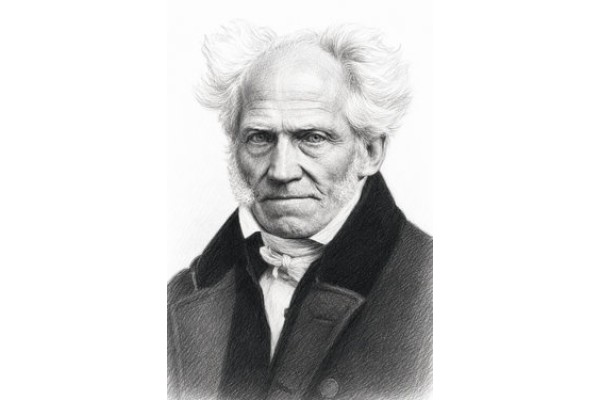
Arthur Schopenhauer was a German philosopher and author whose profound writings on human nature, ethics, art, and the meaning of existence established him as one of the most influential thinkers of the nineteenth century. Explore Arthur Schopenhauer books to discover the author's life, literary career, and access notable works, including Essays of Schopenhauer , and more.