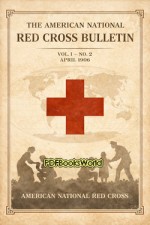
The American National Red Cross
The American National Red Cross is one of the oldest and most respected humanitarian organizations in the United States. Founded in 1881 by Clara Barton and her associates, the organization was established to provide relief during disasters, assist members of the armed forces, and promote public health and emergency preparedness. Over the decades, it has expanded its mission to include disaster response, blood services, health education, international humanitarian assistance, and support for communities in times of crisis. Its publications have played an important role in documenting these efforts while informing volunteers, members, and the public about its activities and humanitarian mission.
History of the Organization
The American National Red Cross was founded with the goal of bringing organized humanitarian assistance to people affected by war, natural disasters, and other emergencies. Inspired by the international Red Cross movement, the organization quickly became known for its rapid response to floods, fires, hurricanes, and other crises throughout the United States. Its work also expanded to include nursing services, first aid education, and support for military personnel and their families.
As the organization grew, it established local chapters across the country, enabling volunteers to respond effectively to emergencies while strengthening community preparedness. Its humanitarian principles of compassion, neutrality, and voluntary service have remained central to its mission for more than a century.
Publications and Educational Work
The American National Red Cross published bulletins, reports, manuals, and educational materials to keep members informed about relief operations, public health initiatives, fundraising efforts, and volunteer activities. These publications documented the organization's response to major disasters while providing practical guidance on emergency preparedness, first aid, sanitation, and community service.
By sharing information with volunteers and the public, the organization encouraged greater participation in humanitarian work and promoted a broader understanding of disaster relief and public health. These publications now serve as valuable historical records of early humanitarian efforts in the United States.
Humanitarian Mission
Throughout its history, the American National Red Cross has focused on reducing human suffering through organized relief and community support. Its activities have included responding to natural disasters, assisting military families, supporting international relief efforts, providing lifesaving training, and encouraging volunteer service. The organization has continually adapted its programs to meet changing national needs while remaining committed to its founding humanitarian principles.
Its work has demonstrated the importance of volunteerism, preparedness, and cooperation in responding to emergencies, making it one of the most influential humanitarian organizations in American history.
Notable Publications
- The American National Red Cross Bulletin – A regular publication documenting relief work, organizational news, and humanitarian activities.
- Annual Reports of the American National Red Cross – Official summaries of disaster relief operations, finances, and organizational achievements.
- First Aid Manuals – Educational guides promoting emergency response and lifesaving skills.
- Nursing and Public Health Publications – Resources supporting healthcare education and community well-being.
Lasting Legacy
The American National Red Cross remains one of the world's leading humanitarian organizations, with a legacy built on compassion, volunteer service, and disaster relief. Its publications preserve the history of countless relief efforts while documenting the growth of organized humanitarian work in the United States. Today, its historical bulletins and reports continue to provide valuable insight into the evolution of emergency response, public health, and community service, making them important resources for historians, educators, and readers interested in humanitarian history.