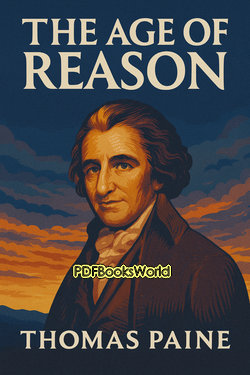
The Age of Reason
by Thomas Paine
A Bold Book About Religion and Reason
The Age of Reason by Thomas Paine is one of the most controversial and influential books about religion and free thinking. Published in three parts between 1794 and 1807, the book questions organised religion and encourages people to use logic, reason, and independent thinking while understanding faith and spirituality.
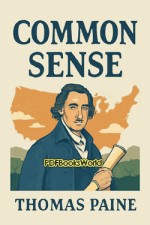
Thomas Paine was already famous for political works like Common Sense, but this book focused more on religion, philosophy, and human belief. Even today, the book continues to be discussed because of its bold ideas and strong criticism of religious institutions.
What Is the Book About?
In The Age of Reason, Thomas Paine argues that people should not blindly accept religious teachings without questioning them. He believed that reason and observation were more reliable than superstition or religious authority.
Paine supported Deism, which is the belief that a creator exists but does not directly interfere in human life through miracles or supernatural events. According to him, nature and the universe themselves are the best evidence of God’s existence.
Criticism of Organised Religion
One of the main parts of the book is Paine’s criticism of organised religion and church institutions. He believed that many religious organisations used fear and tradition to control people.
Paine especially questioned the accuracy and reliability of the Bible. He argued that religious texts should be studied carefully and logically instead of being accepted without examination.
Because of these arguments, the book became highly controversial during its time.
The Importance of Reason
The central message of the book is the importance of reason and independent thought. Paine believed that every person has the right to think freely and form personal beliefs based on logic and evidence.
He famously expressed the idea that individuals should not depend entirely on religious institutions for understanding morality and truth.
Main Themes in the Book
Reason and Logic: Paine encourages people to use rational thinking when studying religion and society.
Freedom of Thought: The book supports intellectual freedom and independent belief.
Criticism of Religious Authority: Paine questions the power and influence of organised churches.
Belief in a Creator: Although critical of religion, Paine still believed in God through the philosophy of Deism.
Writing Style and Readability
One reason why The Age of Reason became widely popular was Paine’s simple and direct writing style. He explained philosophical and religious ideas in language that ordinary readers could understand.
Instead of using highly academic language, he wrote clearly and confidently, making complex discussions easier for common people to follow.
Public Reaction and Controversy
The book received both praise and criticism after publication. Some readers admired Paine’s courage and support for free thinking, while others strongly opposed his criticism of religion.
In many places, the book was considered shocking and offensive because it challenged traditional beliefs so openly. The controversy also affected Thomas Paine’s public reputation during his later years.
Why the Book Is Still Important
Even today, The Age of Reason remains important because it represents the spirit of the Enlightenment period, when many thinkers encouraged science, logic, and human reasoning.
The book continues to influence discussions about freedom of belief, separation of church and state, and the role of religion in society.
Who Should Read This Book?
This book is ideal for readers interested in philosophy, religion, history, politics, and free thought. People curious about Enlightenment ideas and intellectual debates may especially find it interesting.
Although some arguments may feel controversial, the book remains an important historical work for understanding modern discussions about religion and reason.
Final Thoughts
The Age of Reason by Thomas Paine is a bold and thought-provoking book that challenges readers to think independently about religion, truth, and human belief. Through clear arguments and logical discussions, Paine encourages people to value reason, freedom of thought, and intellectual honesty.
For readers interested in philosophy, history, and the power of ideas, this classic work continues to be an influential and meaningful read.
Similar Genres
About the Author
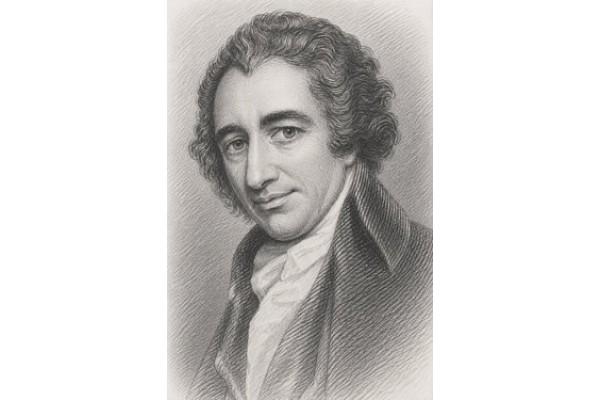
Thomas Paine was an English-born political philosopher, revolutionary writer, and pamphleteer whose powerful works inspired democratic movements on both sides of the Atlantic. Born in Thetford, England, in 1737, Paine emigrated to the American colonies shortly before the outbreak of the American Revolution, where his persuasive writings rallied public support for independence. Explore Thomas Paine books to discover the author's life, literary career, and access notable works, including Common Sense , and more.