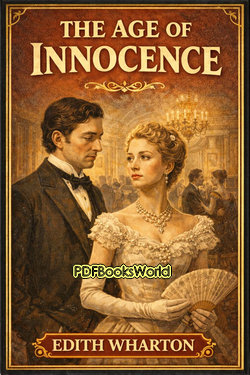
The Age of Innocence
by Edith Wharton
A Beautiful and Tragic Novel About Love, Society, and Social Expectations
The Age of Innocence by Edith Wharton is a classic American novel first published in 1920. Set in the wealthy society of New York during the 1870s, the story explores love, duty, tradition, and the emotional limitations created by strict social rules.
The novel follows Newland Archer, a respected lawyer engaged to the gentle and traditional May Welland. His life changes when he meets the independent and unconventional Countess Ellen Olenska, whose presence challenges the expectations of upper-class society. Through emotional conflict and social pressure, Wharton examines themes connected to literary realism and social fiction.
About the Author
Edith Wharton was an American novelist and short story writer known for her detailed portrayals of wealth, class, and social customs in American society. She became the first woman to win the Pulitzer Prize for Fiction.
Wharton’s works often explored emotional conflict, social expectations, and the restrictions placed on individuals by tradition and status.
Main Themes of the Novel
The novel focuses on the conflict between personal desire and social responsibility. Newland Archer struggles between following his emotions and obeying the expectations of the society around him.
Important Themes Discussed
- Love and emotional sacrifice
- Social class and tradition
- Freedom versus social expectation
- The conflict between passion and duty
Wharton portrays a society where reputation and appearance often become more important than personal happiness.
The Conflict Between Desire and Duty
Newland Archer admires Ellen Olenska because of her honesty, independence, and emotional depth. However, pursuing a relationship with her would risk scandal and social rejection.
As Archer struggles with his emotions, the novel reveals how powerful social conventions can shape personal choices and limit emotional freedom.
What Makes the Novel Unique
- Elegant portrayal of upper-class society
- Deep emotional and psychological realism
- Subtle criticism of social traditions
Writing Style
Wharton’s writing style is refined, descriptive, and emotionally intelligent. She carefully observes social behavior and uses detailed descriptions to reveal the hidden emotions beneath polite conversation and formal manners.
The novel combines emotional sensitivity with sharp social commentary, creating a sophisticated and moving reading experience.
Historical Importance
The Age of Innocence became one of the defining works of American twentieth-century literature. The novel received the Pulitzer Prize and remains celebrated for its portrayal of social change and emotional restraint.
Historical Features
- Insight into nineteenth-century New York society
- Criticism of restrictive social customs
- Influence on modern American fiction
The book also reflected changing attitudes toward individuality, relationships, and personal freedom during the early twentieth century.
Lessons for Modern Readers
Modern readers continue to appreciate the novel because of its timeless exploration of love, sacrifice, and social pressure. The emotional conflicts faced by the characters remain relatable in many modern relationships and social situations.
The story also encourages readers to think about the balance between personal happiness and societal expectations.
Conclusion
The Age of Innocence by Edith Wharton remains a powerful and elegant novel about love, society, and emotional restraint. Through rich characterization and thoughtful social observation, Wharton created a timeless literary masterpiece that continues to move readers around the world.
Similar Genres
About the Author
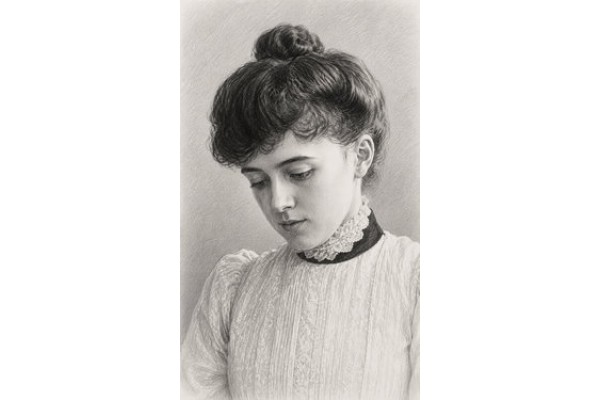
Edith Wharton was one of America's greatest novelists, celebrated for her elegant prose, psychological insight, and vivid portrayals of upper-class society during the late nineteenth and early twentieth centuries. Explore Edith Wharton books to discover the author's life, literary career, and access notable works, including Ethan Frome, The House of Mirth , and more.