
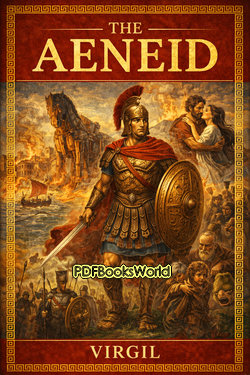
The Aeneid
by Virgil
An Epic Masterpiece About Destiny, War, and the Founding of Rome
The Aeneid by Virgil is one of the greatest epic poems in world literature. Written during the first century BCE, the poem tells the story of Aeneas, a Trojan hero who escapes the destruction of Troy and journeys across the Mediterranean to fulfill his destiny of helping establish the future foundations of Rome.
The epic became a defining work of Roman literature because it combined mythology, heroism, politics, and national identity. Through adventure, warfare, prophecy, and sacrifice, Virgil created a masterpiece that shaped the traditions of epic poetry and classical literature.
About the Author
Virgil, also known as Publius Vergilius Maro, was an ancient Roman poet celebrated for his literary skill and influence on Western literature. He wrote during the reign of Emperor Augustus, a period marked by political transformation and cultural development in Rome.
Virgil’s poetry reflected Roman ideals of duty, leadership, and destiny while drawing inspiration from earlier Greek epics such as Homer’s Iliad and Odyssey.
Main Themes of the Epic
The Aeneid follows Aeneas as he faces storms, battles, personal loss, and divine intervention while carrying out his mission to create a new future for his people.
Important Themes Discussed
- Destiny and divine purpose
- Duty, sacrifice, and leadership
- War, suffering, and survival
- The founding and future greatness of Rome
The poem also explores the tension between personal desire and responsibility toward family, nation, and fate.
The Journey of Aeneas
After escaping the fall of Troy, Aeneas travels through dangerous lands and seas while guided by prophecies and the will of the gods. Along the way, he encounters allies, enemies, and emotional challenges that test his courage and commitment.
One of the most famous parts of the epic is Aeneas’s tragic relationship with Queen Dido of Carthage, which highlights the conflict between love and duty.
What Makes the Epic Unique
- Blend of mythology, politics, and heroism
- Powerful exploration of duty and destiny
- Major influence on Western epic literature
Writing Style
Virgil’s writing style is poetic, elegant, and emotionally rich. The epic uses vivid imagery, dramatic speeches, and symbolic scenes to create emotional and literary depth.
The carefully structured narrative balances action, reflection, and philosophical themes throughout the poem.
Historical Importance
The Aeneid became one of the most influential works in the history of Roman literature and classical education. For centuries, the poem was studied as a model of literary excellence and national identity.
Historical Features
- Foundation of Roman literary tradition
- Influence on medieval and Renaissance literature
- Important political and cultural symbolism for Rome
The epic also shaped later works by poets and writers throughout Europe, including Dante and Milton.
Lessons for Modern Readers
Modern readers continue to admire The Aeneid because of its timeless themes of perseverance, leadership, sacrifice, and responsibility. Aeneas’s journey reflects the struggles involved in building a future while enduring hardship and loss.
The poem also encourages readers to think about destiny, moral duty, and the balance between personal emotion and greater responsibility.
Conclusion
The Aeneid by Virgil remains one of the greatest achievements in epic poetry and classical literature. Through heroic adventure, emotional depth, and powerful themes of destiny and sacrifice, Virgil created a timeless masterpiece that continues to inspire readers around the world.
Similar Genres
About the Author
Virgil, also known as Publius Vergilius Maro, was an ancient Roman poet whose works stand among the greatest achievements of classical literature. Living during the first century BCE, he became the foremost literary voice of the Augustan Age, blending poetic beauty with reflections on duty, destiny, and the foundations of Roman civilization. Explore Virgil books to discover the author's life, literary career, and access notable works.