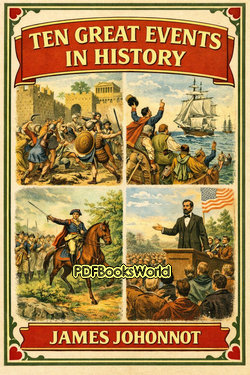
Ten Great Events in History
by James Johonnot
Discovering the Past Through Ten Great Events in History
Some history books focus heavily on dates, timelines, and long explanations. Ten Great Events in History by James Johonnot takes a more engaging path by turning major historical moments into readable stories filled with action, discovery, leadership, and transformation.
Written for younger readers and students, the book introduces important world events in a way that feels educational without becoming overly complicated. Each chapter highlights a major turning point that helped shape civilization and influence future generations.
Why This Book Was Different for Its Time
During the late nineteenth century, many schoolbooks relied on memorization. Johonnot approached history differently by encouraging curiosity and understanding rather than simple repetition of facts.
Instead of overwhelming readers with endless details, the book focuses on a small number of carefully selected events that carried enormous historical importance.
The Main Goal of the Book
The author wanted readers to:
- Understand how societies changed
- Learn why historical events mattered
- Connect actions with consequences
- Develop interest in world history
- See history as a story of human progress
This educational style helped make history more approachable for young learners.
Historical Moments That Shaped Civilization
The book explores dramatic events from different periods of history. These moments often involve exploration, political change, conflict, or discovery.
| Historical Theme | Importance |
|---|---|
| Exploration | Expanded knowledge of the world |
| Warfare | Changed nations and political systems |
| Discovery | Advanced science and civilization |
| Leadership | Influenced societies and governments |
| Cultural Growth | Shaped education, trade, and ideas |
Rather than simply listing facts, the author explains how these events influenced everyday life and future generations.
A Storytelling Approach to Education
One reason the book remains readable today is its narrative style. Historical figures and events are presented with energy and movement instead of dry academic language.
Making History Feel Alive
Readers are not just told what happened. They are guided through the tension, challenges, and decisions that shaped important moments.
This creates a stronger emotional connection to the material and helps readers remember what they learn.
Easier for Young Readers
The writing style works especially well for:
- Middle school students
- Beginner history readers
- Homeschool education
- Family reading sessions
- Readers exploring classic educational books
The language remains clear without removing the seriousness of historical topics.
Educational Ideas Found Throughout the Book
The work repeatedly emphasizes several important lessons about society and human behavior.
Progress Often Requires Courage
Many important historical events involved risk-taking, exploration, or difficult leadership decisions.
Human Actions Shape the Future
The book reminds readers that the choices of individuals and nations can affect generations far beyond their own time.
Knowledge Changes Civilization
Scientific discoveries, education, and exploration are shown as powerful forces that move societies forward.
Why Older History Books Still Matter
Modern readers have access to documentaries, online courses, and digital encyclopedias. Even so, classic educational books continue to offer value because of their simplicity and focus.
Clear Presentation
Older educational works often present ideas directly and without excessive complexity.
Focus on Major Ideas
Instead of covering every detail, the book concentrates on broad historical understanding.
Historical Perspective
The book itself also reflects how history was taught during an earlier period, making it interesting from both an educational and cultural perspective.
What Modern Readers May Appreciate
Although the book was written for students of another era, many readers today can still enjoy its accessible approach to world history.
Readers may especially appreciate:
- Shorter and focused chapters
- Straightforward explanations
- Inspirational historical themes
- Emphasis on learning and curiosity
- A balance between education and storytelling
The book encourages readers to think about how historical events continue to influence modern life.
Final Reflections on the Book
Ten Great Events in History by James Johonnot remains a thoughtful introduction to important moments that shaped human civilization. By combining educational content with readable storytelling, the book transforms history into a subject filled with discovery, conflict, leadership, and progress.
For readers interested in classic educational literature or accessible introductions to world history, the book continues to provide an engaging way to explore the events that helped define the modern world.
Similar Genres
About the Author
James Johonnot was an American educator, author, and pioneer in progressive teaching methods whose textbooks and educational readers helped shape elementary education in the United States during the late nineteenth century. Explore James Johonnot books to discover the author's life, literary career, and access notable works, including Stories of Heroic Deeds for Boys and Girls , and more.