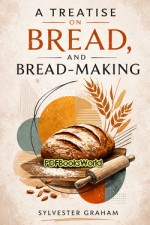
Sylvester Graham
Sylvester Graham was an American Presbyterian minister, health reformer, lecturer, and author whose ideas had a lasting influence on nutrition and healthy living. Best known as the pioneer behind the Graham diet and the development of Graham flour and Graham crackers, he promoted a lifestyle based on wholesome foods, moderation, regular exercise, and personal discipline. During the nineteenth century, Graham became one of the leading advocates of preventive health, encouraging people to improve their well-being through better dietary habits rather than relying solely on medical treatment. His writings helped shape early public discussions about nutrition and healthy eating.
Career as a Health Reformer
Sylvester Graham devoted much of his life to educating the public about health and nutrition. Traveling widely as a lecturer, he spoke on topics such as diet, hygiene, physical activity, and the importance of simple living. At a time when processed foods were becoming more common, Graham encouraged the use of whole grains, fresh vegetables, fruits, and other natural foods as part of a balanced lifestyle.
His ideas attracted both enthusiastic supporters and outspoken critics, but his influence continued to grow as people became increasingly interested in preventive healthcare and improved nutrition.
Writing Style
Graham wrote in a clear, persuasive, and instructional style that reflected his desire to educate ordinary readers. He explained health principles through practical advice, making his books accessible to families, educators, and community leaders. His writing emphasized personal responsibility and encouraged readers to adopt habits that supported long-term health and well-being.
Rather than presenting health as a collection of isolated rules, Graham described it as the result of consistent daily choices involving food, exercise, cleanliness, and self-discipline.
Ideas That Shaped His Work
Throughout his career, Sylvester Graham promoted the belief that proper nutrition played a central role in maintaining physical and mental health. He encouraged the consumption of minimally processed foods and emphasized moderation in eating. While some of his broader health theories reflected the medical understanding of his era, many of his recommendations regarding whole grains, balanced diets, and healthy habits anticipated principles that remain important in modern nutrition.
His work also inspired later health reform movements and influenced public discussions about food quality, wellness, and preventive care.
Popular Works
- A Treatise on Bread, and Bread-making – A practical discussion of bread, whole grains, and healthy baking methods.
- Lectures on the Science of Human Life – His best-known work outlining his views on health, diet, and hygiene.
- A Lecture to Young Men – A work promoting healthy living, moderation, and personal responsibility.
- Defense of the Graham System – A response explaining and supporting his principles of health reform.
Lasting Legacy
Sylvester Graham remains one of the most influential figures in the history of American health reform. His advocacy of whole grains, nutritious food, and preventive healthcare helped shape later movements promoting healthy living and balanced diets. Although some of his ideas reflect the scientific understanding of the nineteenth century, many of his core principles continue to resonate with modern discussions about nutrition and wellness. Today, his public domain writings remain valuable for readers interested in the history of nutrition, public health, and the evolution of healthy eating practices.