
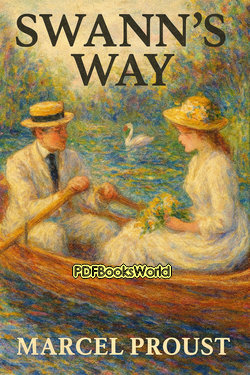
Swann's Way
by Marcel Proust
The Memory and Beauty of Swann’s Way
Swann’s Way by Marcel Proust is one of the most celebrated novels in modern literature. As the opening volume of the larger work In Search of Lost Time, the novel explores memory, love, society, childhood, and the passage of time with extraordinary emotional depth and detail.
Rather than focusing on fast-moving action, Proust creates a deeply reflective story that examines how memories shape human experience. His rich descriptions and thoughtful observations helped transform twentieth-century literature and influenced generations of writers around the world.
A Novel Built Around Memory and Reflection
One of the most famous moments in literature appears in Swann’s Way when the narrator tastes a madeleine cake dipped in tea and suddenly experiences vivid childhood memories. This scene became a symbol of how small experiences can awaken forgotten emotions and memories.
- Detailed psychological storytelling
- Elegant and reflective writing style
- Focus on memory and personal experience
- Exploration of love and society
- Strong influence on modern fiction
Readers interested in the literary importance of the novel can learn more through Encyclopaedia Britannica.
Marcel Proust and His Literary Legacy
Marcel Proust was a French novelist and essayist known for his complex writing style and deep exploration of human thought and emotion. Although his work initially received mixed reactions, he later became recognized as one of the greatest literary figures of the modern era.
Proust’s writing often focused on memory, relationships, social class, art, and the emotional complexity of everyday life.
Important Themes Throughout the Novel
The Power of Memory
The novel explores how memories can unexpectedly return through ordinary experiences, connecting the present with moments from the past.
Love and Jealousy
The relationship between Charles Swann and Odette becomes a detailed study of love, obsession, insecurity, and emotional suffering.
Time and Human Experience
Proust examines how time changes people, relationships, and personal identity while preserving certain emotions through memory.
Society and Social Class
The novel carefully observes the behavior, manners, and ambitions of French society during the late nineteenth century.
Why Swann’s Way Still Attracts Readers
Although the novel requires patience because of its detailed style, many readers consider it deeply rewarding. Proust’s ability to describe emotions and memories with precision continues to fascinate literature lovers and scholars.
- Masterpiece of modernist literature
- Known for psychological depth
- Influenced twentieth-century fiction
- Celebrated for poetic prose
- Widely studied in universities
The Lasting Influence of Proust’s Writing
The influence of Swann’s Way extends across literature, philosophy, psychology, and cultural studies. Many modern writers admired Proust’s ability to transform ordinary moments into profound reflections on life and memory.
His detailed and introspective style helped redefine the modern novel and inspired later literary movements focused on consciousness and inner experience.
A Landmark of Modern Literature
Swann’s Way remains one of the most important novels ever written because of its remarkable exploration of memory, emotion, and time. Marcel Proust created a literary work that continues to reward thoughtful readers with its beauty, intelligence, and emotional insight.
Similar Genres
About the Author
Marcel Proust was a French novelist, essayist, and literary critic whose works transformed modern literature through their deep exploration of memory, time, and human experience. He is regarded as one of the greatest novelists of the twentieth century, admired for his detailed observations, psychological insight, and elegant prose. Explore Marcel Proust books to discover the author's life, literary career, and access notable works.