
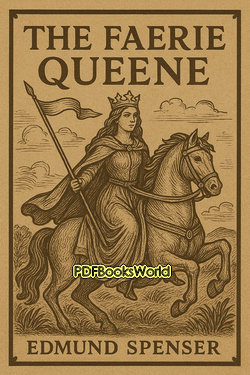
Spenser's The Faerie Queene
by Edmund Spenser
Knights, Virtue, and Allegory in The Faerie Queene, Book I
The Faerie Queene, Book I by Edmund Spenser is one of the greatest achievements of English Renaissance poetry. First published in 1590, the poem combines fantasy, chivalric adventure, religious symbolism, and moral allegory within a richly imaginative literary world.
The first book follows the Redcrosse Knight on a dangerous journey filled with monsters, deception, temptation, and spiritual struggle. As he attempts to defeat evil and protect holiness, the knight’s adventures become symbolic lessons about virtue, faith, and human weakness.
Why the Poem Remains Important
Spenser created an ambitious poetic work that blends mythology, medieval romance, and political symbolism. The poem helped shape the development of English epic poetry and influenced generations of writers through its imaginative storytelling and musical language.
Reasons Readers Continue to Admire the Poem
- Rich allegorical storytelling
- Beautiful and musical poetic language
- Fantasy adventures and heroic quests
- Religious and moral symbolism
- Major influence on English literature
The poem remains one of the defining literary works of the English Renaissance.
The Redcrosse Knight and the Quest for Holiness
The central figure of Book I is the Redcrosse Knight, who represents holiness and spiritual growth. Throughout the poem, he faces dangerous enemies and moral temptations that test his courage, faith, and judgment.
His journey reflects the struggles of the human soul against sin, error, and despair. Spenser uses fantasy adventure not only to entertain readers but also to teach moral and spiritual lessons.
Readers interested in Renaissance literature can explore Britannica’s article on Renaissance literature.
Allegory and Symbolism
One of the poem’s most important features is its use of allegory. Many characters, creatures, and locations symbolize abstract ideas such as truth, deception, pride, or faith.
The character Una, for example, represents truth and spiritual purity, while several monsters symbolize moral corruption and false belief. This symbolic structure gives the poem both literary depth and philosophical meaning.
Major Themes in the Poem
- Virtue and moral growth
- Faith and spiritual struggle
- Good versus evil
- Truth and deception
- Heroism and personal transformation
Spenser’s Poetic Style
Edmund Spenser became famous for his elaborate descriptions, imaginative imagery, and carefully structured verse. He created the “Spenserian stanza,” a poetic form later admired and imitated by many English poets.
The poem’s language combines elegance, rhythm, and vivid fantasy, helping create a dreamlike and heroic atmosphere.
More about Edmund Spenser’s literary career and influence can be found through Poetry Foundation’s profile of Edmund Spenser.
The Poem’s Influence on English Literature
The Faerie Queene strongly influenced later poets including John Milton, John Keats, and Alfred Lord Tennyson. Its blend of mythology, morality, and fantasy helped shape the tradition of epic and romantic poetry in English literature.
The poem also remains important for its contribution to literary allegory and symbolic storytelling.
Readers interested in epic poetry and literary tradition can also visit Britannica’s article on epic poetry.
Final Thoughts
The Faerie Queene, Book I remains a remarkable combination of fantasy, morality, and poetic imagination. Edmund Spenser created a literary world filled with adventure, symbolism, and spiritual meaning that continues to inspire readers and scholars centuries after its publication.
Similar Genres
About the Author
Edmund Spenser was an English poet whose imaginative verse helped shape the course of English literature during the Renaissance. Celebrated for his rich language, vivid imagery, and mastery of allegory, he explored themes of virtue, honor, justice, and chivalry through stories that blended history, mythology, and fantasy. Explore Edmund Spenser books to discover the author's life, literary career, and access notable works.