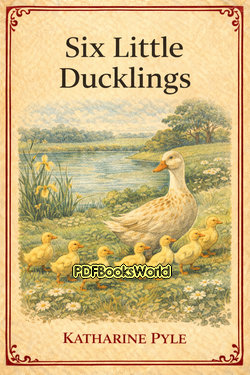
Six Little Ducklings
by Katharine Pyle
A Gentle Children’s Tale Filled With Adventure, Curiosity, and Woodland Charm
Sunny ponds, grassy paths, curious young ducklings, and the quiet beauty of the natural world come together in Six Little Ducklings by Katharine Pyle. Written with warmth and simplicity, the story belongs to the tradition of classic children’s literature that combines playful storytelling with lessons about caution, independence, family, and discovery.
The book invites young readers into a comforting world where animals behave with recognizable personalities and everyday adventures feel both exciting and safe.
The Adventures of the Ducklings
At the center of the story are six young ducklings eager to explore the world around them. Their curiosity naturally leads them toward situations filled with small dangers, surprises, and opportunities for learning.
Like many classic animal stories for children, the narrative balances freedom and safety:
- The ducklings want adventure and independence
- The adult world urges caution and responsibility
This tension creates gentle excitement throughout the tale.
Nature as a Friendly World
The story’s setting plays an important role in its appeal. Ponds, streams, meadows, reeds, and woodland spaces create a peaceful environment where children can imagine wandering alongside the ducklings.
Nature appears welcoming and full of discovery rather than frightening or harsh.
The descriptions encourage appreciation for animals and the outdoors while maintaining a calm and reassuring atmosphere.
Lessons Hidden Inside the Story
Like many early children’s books, Six Little Ducklings quietly includes moral and practical lessons without becoming overly instructional.
Readers encounter themes involving:
- Listening to guidance from elders
- The importance of cooperation and family
- Learning through experience
- Balancing curiosity with caution
The educational elements remain woven naturally into the storytelling.
Katharine Pyle and Children’s Literature
Katharine Pyle was known for creating stories that combined imagination, kindness, and visual charm. Her work often reflected affection for childhood innocence and simple emotional truths.
Stories involving animals allowed young readers to connect easily with characters while exploring emotions and behavior in approachable ways.
The gentle tone helps make the narrative comforting and memorable.
The Warmth of Traditional Storytelling
The book reflects an earlier era of children’s literature focused on calm narrative rhythm, domestic warmth, and emotional reassurance rather than fast-paced spectacle.
Small adventures carry importance because they are experienced through the eyes of young, curious characters.
The storytelling encourages imagination while preserving a sense of security and kindness.
This simplicity contributes strongly to the story’s enduring appeal.
Why Six Little Ducklings Still Delights Readers
Six Little Ducklings continues to charm readers because stories about curious young animals discovering the world possess timeless emotional warmth. The combination of gentle adventure, natural beauty, and affectionate storytelling remains appealing across generations.
For readers interested in classic children’s literature, animal tales, comforting bedtime stories, and early twentieth-century storytelling for young audiences, Katharine Pyle’s book offers a sweet and enduring journey through the peaceful world of childhood imagination.
Similar Genres
About the Author
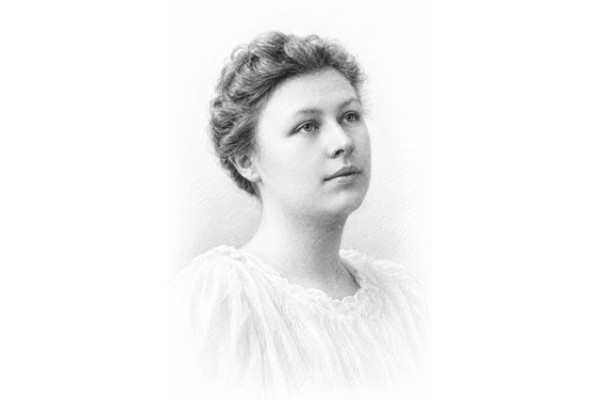
Katharine Pyle was an American author, poet, illustrator, and editor whose enchanting fairy tales and beautifully illustrated books delighted young readers during the late nineteenth and early twentieth centuries. Born in Wilmington, Delaware, in 1863, she came from a distinguished artistic family and was the younger sister of renowned illustrator Howard Pyle. Explore Katharine Pyle books to discover the author's life, literary career, and access notable works, including Fairy tales from far and near , and more.