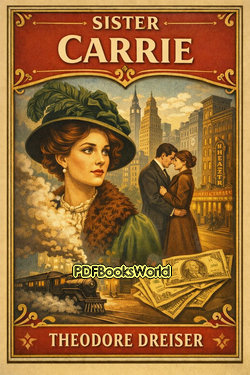
Sister Carrie
by Theodore Dreiser
Ambition, Desire, and Urban Survival in Theodore Dreiser’s Landmark American Novel
Bright city lights, social ambition, poverty, temptation, loneliness, and the relentless pursuit of success shape the powerful world of Sister Carrie by Theodore Dreiser. Often considered one of the foundational works of American literary realism and naturalism, the novel follows a young woman’s rise from rural obscurity into urban society while exposing the emotional and moral pressures of modern city life.
Dreiser presents success not as simple triumph, but as a complicated journey shaped by desire, economic struggle, social expectation, and emotional emptiness.
A Young Woman Arrives in the Modern City
The story begins when Carrie Meeber leaves her small-town home to seek opportunity in Chicago. The rapidly growing industrial city promises excitement, wealth, and independence, yet it also confronts her with exploitation, insecurity, and harsh economic realities.
Urban life appears simultaneously seductive and unforgiving.
As Carrie moves through different social environments, the novel examines how ambition and survival reshape personal identity.
Characters
The emotional and social tensions of the novel emerge through relationships shaped by desire, status, and personal aspiration.
- Carrie Meeber evolves from inexperienced young woman into a more socially aware and ambitious figure navigating the opportunities and dangers of urban society.
- Charles Drouet represents charm, material comfort, and superficial optimism.
- George Hurstwood, a successful manager whose life gradually deteriorates, embodies the instability hidden beneath social respectability and financial success.
- Secondary figures contribute to the novel’s portrait of crowded city life and shifting social class.
The relationships between characters often reflect economic dependence and emotional uncertainty.
Themes
Dreiser explores modern urban existence with unusual honesty and realism.
- Ambition and the desire for social advancement
- The influence of money and material success
- Loneliness and emotional dissatisfaction
- The instability of identity within modern society
- The tension between desire and moral expectation
The novel questions whether wealth and public success truly provide happiness or emotional fulfillment.
The City as Opportunity and Trap
Chicago and New York function almost like living forces within the novel. The cities offer excitement, luxury, entertainment, and possibility, yet they also create anonymity, competition, and emotional isolation.
Dreiser portrays urban modernity as both liberating and psychologically exhausting.
Characters are constantly shaped by economic pressure and social ambition.
The city rewards desire while also consuming those unable to adapt.
The Writing Style of Theodore Dreiser
Dreiser writes with realism, detail, and psychological directness. His prose often emphasizes environment, social condition, and emotional motivation over romantic idealization.
The narrative reflects naturalist influences by portraying individuals as strongly affected by social forces, economic circumstance, and personal desire.
The emotional honesty of the novel helped distinguish it from more conventional fiction of its era.
Why Sister Carrie Still Feels Modern
Sister Carrie remains remarkably relevant because its themes continue to define modern urban life. Ambition, economic insecurity, fame, loneliness, consumer culture, and the pursuit of identity remain central human concerns.
For readers interested in American realism, social criticism, psychological fiction, urban literature, and stories about ambition and survival, Theodore Dreiser’s novel stands as one of the great portraits of modern life and emotional longing.
Similar Genres
About the Author
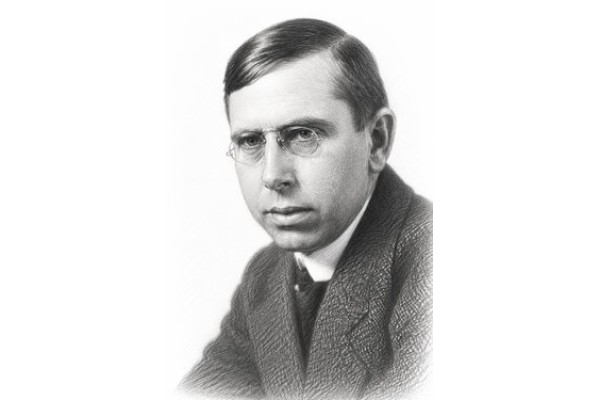
Theodore Dreiser was an American novelist, journalist, essayist, and social critic whose realistic portrayals of ambition, poverty, and the pursuit of success established him as one of the leading figures of American naturalism. Explore Theodore Dreiser books to discover the author's life, literary career, and access notable works, including Hey Rub-a-dub-dub , and more.