Roy Paetzke
Roy Paetzke was an American science fiction writer whose work reflects the optimism, imagination, and adventurous spirit of the golden age of pulp fiction. Although little biographical information about his life has survived, his stories demonstrate a fascination with space exploration, futuristic technology, and humanity's ability to overcome extraordinary challenges. Writing during a period when science fiction magazines introduced readers to bold visions of the future, Paetzke contributed imaginative tales that blended scientific speculation with exciting adventure and thoughtful reflections on human resilience.
Like many writers of his era, Paetzke viewed science fiction as more than entertainment. His stories invited readers to imagine how scientific progress might reshape civilization while emphasizing that courage, cooperation, and ingenuity would remain essential qualities regardless of technological advancement. Through accessible storytelling and imaginative settings, he helped sustain the sense of wonder that made classic science fiction a favorite among generations of readers.
Inspired by the Possibilities of Tomorrow
The mid-twentieth century was marked by growing public interest in astronomy, rocketry, and the prospect of space travel. Science fiction authors transformed these developments into stories filled with distant planets, advanced civilizations, and remarkable scientific discoveries. Paetzke embraced this atmosphere of curiosity by creating narratives that explored both the opportunities and dangers awaiting humanity beyond Earth.
His fiction often placed ordinary people in extraordinary situations where intelligence, perseverance, and teamwork proved more valuable than advanced machinery alone. This human-centered approach gave his stories lasting appeal, reminding readers that character remains the greatest resource in any age.
Classic Themes in Speculative Fiction
Paetzke's stories reflect many of the themes that defined the golden age of science fiction. He explored questions of survival, exploration, technological innovation, and planetary defense while maintaining an engaging sense of adventure. Rather than presenting science as an end in itself, he used speculative ideas to examine how individuals respond when confronted with unfamiliar environments and unexpected threats.
His straightforward writing style allowed readers to focus on the unfolding adventure while naturally introducing imaginative scientific concepts. This balance between excitement and thoughtful speculation helped make his work enjoyable for both longtime science fiction enthusiasts and casual readers.
A Vision of Humanity's Defense
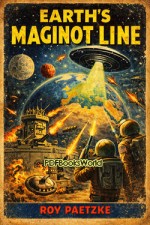
Among Paetzke's known stories is Earth's Maginot Line, a science fiction adventure inspired by the idea of defending humanity against dangers originating beyond the familiar world. The story combines suspense with speculative technology, exploring how preparation, ingenuity, and cooperation become vital when civilization faces extraordinary challenges. Like much of the best pulp-era science fiction, it uses futuristic ideas to highlight timeless qualities such as courage, determination, and hope.
An Enduring Contribution to Pulp Science Fiction
Although Roy Paetzke remains a relatively little-known figure today, his work represents an important part of the rich tradition of classic science fiction magazines that inspired readers throughout the twentieth century. His stories preserve the excitement of an era when the future seemed filled with limitless possibilities and when imaginative fiction encouraged people to dream about exploration beyond Earth. Through engaging adventures and optimistic storytelling, Paetzke contributed to the enduring legacy of speculative literature.
Readers visiting PDF Books World can explore the work of Roy Paetzke and discover a classic science fiction adventure that celebrates imagination, scientific curiosity, and humanity's enduring determination to face the unknown with courage and innovation.