Richard King
Richard King was an English author, historian, and commentator whose writings explored the rich traditions of English culture, religion, and music. His work reflects a deep appreciation for the institutions and ceremonies that shaped Britain's cultural heritage, presenting historical subjects in a manner that is both informative and engaging. Through careful research and thoughtful narration, King introduced readers to the people, places, and traditions that have influenced English society for centuries. His book The Three Choirs is a notable contribution, examining one of England's oldest and most celebrated musical traditions.
Exploring England's Cultural Heritage
Richard King devoted much of his writing to preserving and explaining important aspects of British history and tradition. Rather than focusing solely on political events, he highlighted the significance of religious institutions, artistic achievements, and community life. His works demonstrate how music, architecture, and faith have long been intertwined in shaping England's national identity.
King believed that understanding the past required more than memorizing dates and events. By examining customs, ceremonies, and cultural practices, he encouraged readers to appreciate the values and traditions that connected generations across centuries.
Celebrating a Historic Musical Tradition
One of King's greatest interests was the enduring relationship between sacred music and English cathedral life. His writings explore how music has enriched worship while also serving as a powerful expression of artistic achievement and community spirit. He paid particular attention to the individuals whose dedication preserved these traditions through changing historical periods.
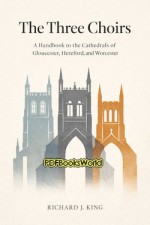
The Three Choirs examines the famous Three Choirs Festival, one of the world's oldest classical music festivals, associated with the cathedrals of Gloucester, Hereford, and Worcester. The book explores the festival's history, its musical development, and the lasting contribution it has made to English choral music. By combining historical research with engaging storytelling, King provides readers with a deeper appreciation of this remarkable cultural institution.
A Clear and Engaging Writing Style
Richard King wrote with clarity, warmth, and a genuine enthusiasm for his subjects. His prose is carefully organized and accessible, allowing readers with little prior knowledge to enjoy topics that might otherwise seem highly specialized. He balanced historical detail with lively descriptions, ensuring that his books remained informative without becoming overly academic.
This approachable style enabled him to reach readers interested in history, music, architecture, and cultural traditions alike. His works continue to serve as valuable introductions to important aspects of English heritage.
Notable Works
- The Three Choirs – A historical study of England's renowned Three Choirs Festival and its musical legacy.
- Historical Essays on English Cathedrals – Studies exploring the architectural and cultural significance of England's great cathedrals.
- Church Music and Tradition – Reflections on the development of sacred music and worship.
- Studies in English Heritage – Essays examining the customs, institutions, and history of Britain.
- Cultural Sketches of England – Observations on English history, literature, and artistic traditions.
An Enduring Contribution to Cultural History
Richard King's writings continue to be appreciated for preserving the history of England's religious and musical traditions. His work reminds readers that cultural heritage is sustained not only through monuments and historical records but also through music, community celebrations, and shared traditions that pass from one generation to the next. By documenting these enduring institutions, he helped preserve an important part of England's artistic legacy.
Readers interested in English history, cathedral music, cultural traditions, and the history of classical music will find lasting value in the works of Richard King. Whether beginning with The Three Choirs or exploring his other historical writings, they will discover an author whose thoughtful scholarship continues to illuminate the rich heritage of English culture and sacred music.