
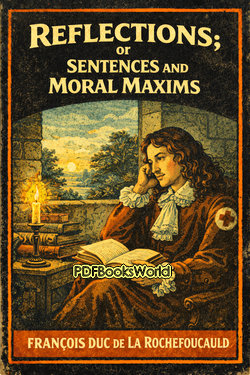
Reflections; or Sentences and Moral Maxims
by Francois duc de La Rochefoucauld
Sharp Observations About Human Nature, Vanity, and Society
Reflections; or Sentences and Moral Maxims by François duc de La Rochefoucauld is one of the most famous collections of philosophical aphorisms ever written. Through brief but powerful observations, La Rochefoucauld examines human behavior, self-interest, pride, ambition, love, friendship, morality, and social life with remarkable wit and psychological insight.
The work became highly influential because of its honest and often skeptical view of human nature. Many of its reflections remain surprisingly relevant centuries after they were written.
A Collection of Philosophical Maxims
Rather than presenting long essays or formal arguments, the book is composed of short statements known as maxims. Each reflection attempts to reveal hidden truths about human motives and behavior.
La Rochefoucauld frequently argues that people are guided less by pure virtue than by self-interest, vanity, pride, or personal advantage. Even acts that appear generous or noble may contain hidden motives.
This sharp psychological realism gave the work its lasting reputation.
Main Ideas Explored Throughout the Book
- Pride, vanity, and personal ambition
- The complexity of love and friendship
- Self-interest hidden beneath social behavior
- The contrast between appearance and reality
- The weaknesses and contradictions of human nature
These ideas continue to influence philosophy, psychology, and literary thought.
The Psychological Insight of La Rochefoucauld
One reason the book remains important is its deep understanding of human psychology. La Rochefoucauld observes how people often deceive themselves about their own motivations.
He suggests that society encourages performance, pride, and hypocrisy while hiding true emotions and desires beneath polite behavior.
Although some readers find his view of humanity pessimistic, others admire the honesty and realism of his observations.
The Influence on Literature and Philosophy
The maxims influenced many later writers, philosophers, and moral thinkers across Europe. Authors admired La Rochefoucauld’s ability to express complicated psychological truths in concise and memorable language.
His reflections also contributed to later discussions about morality, self-awareness, and the hidden motivations behind social interaction.
The work remains widely quoted because many of its observations feel timeless.
The Writing Style of La Rochefoucauld
La Rochefoucauld writes with elegance, precision, and remarkable economy of language. Many maxims consist of only a sentence or two, yet they contain layers of meaning and irony.
The concise style forces readers to think carefully about each statement and its implications.
His combination of wit, skepticism, and psychological insight helped establish the aphorism as a respected literary form.
Why Reflections and Moral Maxims Still Matters
Reflections; or Sentences and Moral Maxims continues to attract readers because it explores universal aspects of human behavior that remain recognizable in every generation.
For readers interested in philosophy, psychology, literature, ethics, and human nature, La Rochefoucauld’s classic work offers a thought-provoking and intellectually rewarding collection of timeless observations about society and the human mind.
Similar Genres
About the Author
François duc de La Rochefoucauld was a French nobleman, philosopher, and writer whose reflections on human nature have remained influential for centuries. Living during the seventeenth century, he observed the political struggles, social customs, and personal ambitions of his time, drawing lessons that he expressed through short, memorable statements. Explore Francois duc de La Rochefoucauld books to discover the author's life, literary career, and access notable works.