Practical Agitation
by John Jay Chapman
A Thoughtful Examination of Reform, Citizenship, and Public Action
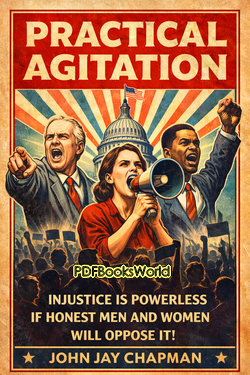
Practical Agitation by John Jay Chapman is a collection of essays and reflections on social reform, civic responsibility, and the role of individuals in shaping public life. Writing during a period of significant political and social change, Chapman explores how citizens can influence society through thoughtful action rather than passive observation. His work combines moral reflection with practical considerations, encouraging readers to engage actively with the issues of their time.
The Meaning of "Practical Agitation"
In Chapman's usage, agitation does not imply disorder for its own sake. Instead, it refers to the deliberate effort to draw attention to important problems and encourage constructive change. He argues that progress often begins when individuals challenge complacency and question accepted practices.
The emphasis is on purposeful and responsible public engagement.
Major Subjects Covered
- Social Reform: Efforts to improve institutions and public life.
- Citizenship: The duties and responsibilities of individuals within society.
- Public Discussion: The importance of debate and the exchange of ideas.
- Moral Leadership: The role of conscience in social change.
- Education: The value of knowledge in fostering informed action.
John Jay Chapman as Social Critic
Chapman was known for his independent thinking and willingness to address controversial subjects. His essays frequently examined the moral dimensions of political and social issues, urging readers to consider not only what was expedient but also what was right.
This ethical perspective distinguishes much of his writing.
The Responsibility of the Individual
A recurring theme throughout the book is the belief that meaningful change depends upon individual initiative. Chapman argues that citizens should not rely entirely on institutions or leaders but should participate actively in addressing social concerns.
Personal responsibility becomes a cornerstone of his philosophy.
Ideas and Action
While Chapman values intellectual discussion, he also stresses the importance of translating ideas into practical efforts. Thought without action, in his view, achieves little. Effective reform requires both understanding and commitment.
The book consistently seeks to bridge theory and practice.
A Reflection of Progressive-Era Concerns
The essays reflect many of the issues that occupied reform-minded thinkers during the late nineteenth and early twentieth centuries. Questions of governance, education, social justice, and civic participation appear throughout the work.
As a result, the book offers valuable insight into the intellectual climate of its era.
Style and Approach
Chapman's writing is marked by clarity, conviction, and a willingness to challenge readers. Rather than presenting rigid solutions, he encourages independent thought and moral reflection. His essays invite readers to engage critically with both society and themselves.
This conversational yet serious style enhances the book's appeal.
Why the Book Remains Relevant
Many of the questions Chapman raises continue to resonate in modern discussions of citizenship and public responsibility. The relationship between personal conviction and social action remains a central concern in democratic societies.
His call for thoughtful engagement retains much of its original force.
A Call for Active and Responsible Citizenship
Practical Agitation presents John Jay Chapman's vision of meaningful civic participation and constructive reform. Through essays that combine moral inquiry with practical concerns, he encourages readers to recognize their capacity to influence society and address public problems. The book remains an insightful exploration of citizenship, responsibility, and the enduring importance of informed action.
Similar Genres
About the Author
John Jay Chapman was an American essayist, poet, dramatist, and literary critic whose thoughtful writings examined literature, education, politics, and moral responsibility with remarkable intellectual depth. Born in New York City in 1862 into a distinguished family, Chapman became one of the leading American men of letters during the late nineteenth and early twentieth centuries. Explore John Jay Chapman books to discover the author's life, literary career, and access notable works, including Learning and Other Essays , and more.