
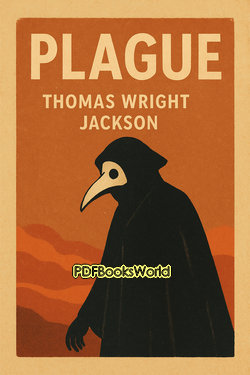
Plague
by Thomas Wright Jackson
A Detailed Study of One of History’s Deadliest Diseases
Plague by Thomas Wright Jackson is an informative and thought-provoking medical work that examines one of the most feared diseases in human history. The book discusses the causes, spread, treatment, and prevention of plague while also exploring its impact on public health and society. Written during the early twentieth century, the work combines scientific research with practical observations from real epidemic situations.
The book remains valuable because it offers historical insight into disease control and public health efforts during major outbreaks.
About Thomas Wright Jackson
Thomas Wright Jackson was a physician and medical researcher with experience in epidemiology and disease prevention. His work focused on understanding infectious diseases and improving public health responses. Through Plague, Jackson shared both scientific knowledge and firsthand observations gathered during plague outbreaks.
Learn more about medical history at Britannica.
Overview of the Book
The book explains how plague spreads, how it affects populations, and the methods used to control outbreaks. Jackson discusses the relationship between infected animals, sanitation, and public health measures. He also examines diagnosis, treatment, and quarantine practices used during epidemic periods.
Rather than presenting only technical medical information, the author also highlights the social and economic consequences of widespread disease. This broader perspective makes the work both educational and historically important.
Main Topics Covered
- Causes of Plague – The book explains how the disease develops and spreads.
- Disease Prevention – Jackson discusses sanitation, quarantine, and public health strategies.
- Medical Treatment – The text examines diagnosis and treatment methods used during outbreaks.
- Public Health Challenges – The author explores the difficulties governments and communities face during epidemics.
Historical Importance of the Book
Plague is important because it documents scientific understanding of infectious diseases during a period when public health systems were rapidly developing. The book reflects early modern efforts to control epidemics through organized medical and sanitary measures.
It also helps readers understand how societies historically responded to fear, uncertainty, and large-scale illness.
Explore the history of epidemics at History.com.
Why the Book Still Matters Today
Modern readers continue to find relevance in books about epidemics because they reveal how societies respond during health crises. Jackson’s work highlights the importance of scientific research, cooperation, and public responsibility during disease outbreaks.
The themes discussed in the book remain meaningful in today’s world, especially in conversations about global health and disease prevention.
Writing Style and Readability
The writing style is informative and direct, making complex medical ideas easier to understand. Although the subject matter is scientific, the author presents information clearly enough for general readers interested in history, medicine, and public health.
The combination of scientific explanation and real-world observation gives the book both educational and historical value.
Lessons Readers Can Learn
Plague reminds readers of the importance of public health systems, scientific research, and community cooperation during times of crisis. The book also demonstrates how preparation and medical knowledge can reduce the impact of dangerous diseases.
Final Thoughts
Plague by Thomas Wright Jackson remains a significant historical and medical work because of its detailed examination of infectious disease and epidemic control. The book offers valuable insight into public health, medical science, and human responses during times of uncertainty. Readers interested in medical history, epidemiology, or social history may find this classic work both informative and engaging.
Similar Genres
About the Author
Thomas Wright Jackson was a British physician and medical writer whose works focused on public health, infectious diseases, and practical medical knowledge. Writing during a period when epidemics remained a serious threat to communities, he sought to explain the causes, symptoms, and prevention of disease in language that could be understood by both medical professionals and general readers. Explore Thomas Wright Jackson books to discover the author's life, literary career, and access notable works.