
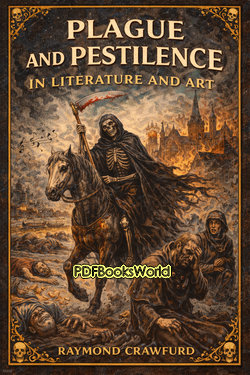
Plague and pestilence in literature and art
by Raymond Crawfurd
A Fascinating Study of Disease in Literature, History, and Visual Art
Plague and Pestilence in Literature and Art by Raymond Crawfurd is a historical and cultural study examining how epidemics and deadly diseases have been represented in literature, painting, religion, and popular imagination across different periods of history. The book explores not only the medical reality of plague and pestilence, but also the fear, symbolism, and emotional impact these disasters created in human society.
Raymond Crawfurd combines historical research with literary and artistic analysis to show how disease influenced storytelling, religious thought, public behavior, and artistic expression. The work reflects growing scholarly interest in the relationship between medicine, culture, and history.
The book offers readers insight into how societies responded emotionally and creatively to periods of sickness and mass death.
The Influence of Epidemics on Human Culture
The work discusses famous outbreaks of plague and infectious disease that shaped cities, nations, and entire generations. Epidemics often created fear, religious anxiety, social disruption, and dramatic changes in public life.
Crawfurd examines how writers and artists portrayed disease through symbolic images, dramatic stories, and emotional scenes. Skeletons, dark processions, dying cities, and religious visions frequently appeared in art and literature connected to plague.
The book also explores how societies attempted to explain disease before modern medical science fully understood infection and contagion.
The Scholarly Style of Raymond Crawfurd
Raymond Crawfurd writes in a thoughtful and informative style that combines historical detail with cultural interpretation. His approach is scholarly but accessible, allowing general readers to follow the discussion without requiring advanced medical or artistic knowledge.
The work moves between history, literature, religion, and visual art, showing how disease affected many parts of human culture. Crawfurd often uses examples from paintings, historical accounts, and literary works to support his observations.
The writing reflects deep interest in both medical history and the emotional imagination of past societies.
Main Topics Explored in the Book
- The history of plague and epidemic disease
- The portrayal of pestilence in literature and art
- Fear, religion, and public reaction during epidemics
- The symbolic meaning of disease in culture
Why the Book Still Holds Importance
Plague and Pestilence in Literature and Art remains valuable because it explores how disease affects not only physical health, but also culture, emotion, and human imagination. Readers interested in history, literature, medicine, and art often appreciate the book’s broad and interdisciplinary approach.
The work also became especially relevant during modern discussions about pandemics and public fear, reminding readers that epidemics have long shaped human behavior and artistic expression.
Its combination of historical research and cultural analysis continues to make the book meaningful today.
The Lasting Cultural Memory of Epidemics
Plagues and epidemics have left lasting marks on literature, religion, and visual art because they forced societies to confront fear, mortality, and uncertainty. Writers and artists often used disease as both a real historical event and a symbol of human vulnerability.
Images connected to plague, such as deserted streets, mourning crowds, and symbolic figures of death, became powerful parts of cultural memory throughout Europe and beyond.
Books like this help readers understand how deeply public health crises have influenced human history and artistic imagination.
Final Thoughts
Plague and Pestilence in Literature and Art by Raymond Crawfurd is a rich and thought-provoking study of how disease has been represented in history, literature, and visual culture. Through historical discussion and artistic analysis, the book explores the emotional and symbolic impact of epidemics across generations.
For readers interested in medical history, literature, cultural studies, and art history, this work remains both informative and deeply fascinating.
Similar Genres
About the Author
Raymond Crawfurd was a British physician, medical historian, and author whose writings explored the fascinating connections between medicine, history, literature, and art. Combining his professional knowledge as a doctor with a deep interest in the humanities, he examined how diseases influenced societies and how writers and artists portrayed them across different periods of history. Explore Raymond Crawfurd books to discover the author's life, literary career, and access notable works.