
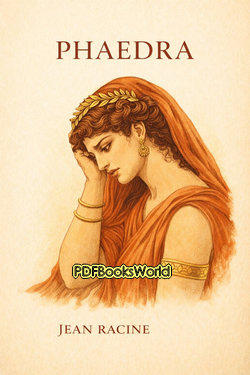
Phaedra
by Jean Racine
Love, Jealousy, and Tragedy in Racine’s Powerful Drama Phaedra
Phaedra by Jean Baptiste Racine is one of the greatest tragedies in French classical literature. First performed in the seventeenth century, the play explores forbidden love, guilt, honor, jealousy, and emotional destruction through intense drama and psychological conflict.
Based on ancient Greek mythology, the story focuses on Queen Phaedra and the dangerous emotions that slowly lead to tragedy for herself and those around her. Racine combines emotional depth with elegant language, creating a dramatic work that has remained influential for centuries.
The play continues to attract readers and theater audiences because of its powerful emotions and timeless themes.
Overview of the Story
The drama takes place in the royal household of Theseus, the King of Athens. Believing her husband may be dead, Phaedra becomes overwhelmed by her secret love for Hippolytus, her stepson.
As hidden emotions begin to surface, misunderstandings, accusations, and fear push the characters toward disaster.
The story develops through:
Forbidden passion, emotional conflict, jealousy, deception, honor, guilt, and tragic consequences.
Racine carefully builds tension throughout the play, leading to a dramatic and emotional conclusion.
Main Characters in Phaedra
- Phaedra – The tragic queen whose forbidden feelings create emotional turmoil and destruction.
- Hippolytus – The honorable and disciplined son of Theseus who becomes trapped in the unfolding tragedy.
- Theseus – The powerful king whose return changes the fate of everyone around him.
- Aricia – A noble young woman connected to Hippolytus and the emotional tensions within the story.
- Oenone – Phaedra’s loyal servant whose advice and actions influence the tragic events.
Major Themes in the Play
- Forbidden Love – The play explores the emotional pain and destruction caused by impossible desires.
- Guilt and Shame – Phaedra struggles deeply with her emotions and the moral consequences of her feelings.
- Honor and Reputation – Characters are heavily influenced by social expectations and personal dignity.
- Jealousy and Misunderstanding – False assumptions and emotional reactions drive the tragedy forward.
- Fate and Tragedy – The story reflects the classical idea that powerful emotions can lead people toward unavoidable suffering.
Racine’s Dramatic Style
Jean Baptiste Racine became famous for writing emotionally intense tragedies that focused on psychological conflict rather than large-scale action. In Phaedra, much of the drama comes from conversations, emotional struggles, and internal suffering.
His writing style is elegant, controlled, and highly expressive. Even small moments carry emotional weight because of the careful dialogue and dramatic structure.
Unlike action-heavy dramas, Racine’s plays emphasize character emotions and moral conflict.
The Influence of Greek Mythology
The story of Phaedra originally comes from ancient Greek mythology and earlier classical dramas. Racine adapted the ancient material while giving the characters greater emotional complexity and psychological realism.
The play reflects many classical tragic traditions, including:
Powerful emotions, family conflict, moral struggle, fate, royal drama, and destructive consequences.
These timeless elements help explain why the story continues to remain relevant in literature and theater.
Why Modern Readers Still Appreciate Phaedra
Although the play was written centuries ago, its emotional themes remain relatable. Readers still connect with the characters’ struggles involving love, guilt, fear, and personal responsibility.
Modern audiences often appreciate the play because it:
Explores deep human emotions, presents psychological realism, creates strong dramatic tension, and examines the consequences of uncontrolled desire.
The emotional honesty of the characters gives the tragedy lasting power.
Interesting Facts About the Play
Phaedra is considered one of Racine’s greatest masterpieces and one of the finest tragedies in French literature. The play has been translated into many languages and continues to be performed on stages around the world. Its themes and dramatic structure have influenced writers, playwrights, and filmmakers for generations.
Final Thoughts
Phaedra by Jean Baptiste Racine remains a powerful exploration of forbidden love, emotional conflict, and tragic consequences. Through unforgettable characters and intense psychological drama, Racine creates a story that continues to move readers centuries after it was first written.
For readers interested in classical tragedy, psychological drama, and timeless literature, Phaedra offers a deeply emotional and unforgettable reading experience.
Similar Genres
About the Author
Jean Racine (1639–1699) was a French dramatist and poet who is widely regarded as one of the greatest playwrights of the classical age. His tragedies are celebrated for their emotional depth, elegant language, and careful exploration of human passion, duty, and fate. Explore Jean Racine books to discover the author's life, literary career, and access notable works.