The Classic Tale of Childhood and Neverland
Peter and Wendy, commonly known as Peter Pan, is one of the most beloved fantasy novels in children’s literature. Written by J. M. Barrie and published in 1911, the story introduced readers to Peter Pan, the boy who never grows up, along with the magical world of Neverland. Filled with adventure, imagination, pirates, fairies, and emotional depth, the novel continues to captivate readers across generations.
Flying Beyond The Nursery Window
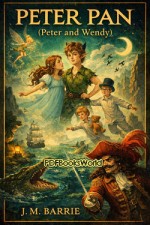
The story begins in London at the home of the Darling family, where Wendy Darling and her brothers John and Michael encounter Peter Pan and the tiny fairy Tinker Bell. Peter invites the children to fly away with him to Neverland, a magical island where children can remain young forever. Excited by the promise of adventure, the children leave their ordinary lives behind and enter a world filled with lost boys, mermaids, pirates, and hidden dangers.
In Neverland, Wendy becomes a caring figure for Peter and the Lost Boys while Peter continues to avoid adulthood and responsibility. Their adventures soon bring them into conflict with the feared pirate Captain Hook, one of the story’s most memorable villains.
The Boy Who Refused To Grow Up
Peter Pan became one of literature’s most recognizable fictional characters because he represents eternal childhood, imagination, and freedom. Fearless and adventurous, Peter enjoys living without rules or responsibilities, but his refusal to grow up also gives the character a lonely and emotionally distant side.
J. M. Barrie presents Peter as both charming and tragic. His endless childhood may appear magical, yet the story quietly reveals the emotional cost of never changing or forming lasting connections with others.
Fantasy, Imagination, and Hidden Meaning
Although often viewed as a children’s fantasy adventure, the novel explores deeper themes including imagination, memory, motherhood, growing up, and the bittersweet nature of childhood. Neverland represents freedom and wonder, but it also reflects the temporary nature of youth and innocence.
Barrie combines humor, fantasy, danger, and emotional reflection in a way that allows both children and adults to connect with the story differently. Readers may enjoy the magical adventures while also recognizing the emotional themes hidden beneath the fantasy setting.
Why The Story Continues To Endure
Modern readers continue to love Peter and Wendy because of its imaginative storytelling, unforgettable characters, and emotional sincerity. The novel appeals to children through its magical adventures while offering nostalgic and philosophical depth for adult readers.
Characters such as Peter Pan, Wendy, Captain Hook, Tinker Bell, and the Lost Boys remain deeply embedded in popular culture and continue to inspire new adaptations across books, films, theatre, and television.
The Legacy of Neverland
The influence of Peter and Wendy extends far beyond literature. The story has inspired countless adaptations, including animated films, live-action movies, stage productions, musicals, and modern reinterpretations of the Peter Pan myth.
Neverland itself became a lasting symbol of imagination, escapism, and eternal youth. Even today, the phrase “never grow up” remains closely connected with Barrie’s timeless fantasy world.
Final Thoughts
Peter and Wendy remains one of the defining classics of fantasy literature. Through magical adventures, memorable characters, and emotional storytelling, J. M. Barrie created a timeless novel that continues to inspire readers of all ages.
For readers interested in classic fantasy, imaginative adventures, and stories exploring the beauty and sadness of childhood, this novel remains an unforgettable reading experience.