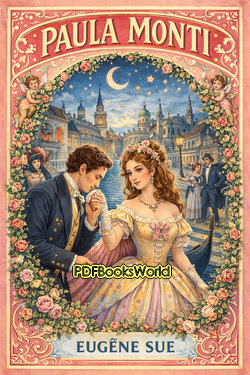
Paula Monti
by Eugène Sue
Love, Mystery, and Social Intrigue in Romantic French Fiction
Paula Monti by Eugène Sue is a dramatic romantic novel blending emotional conflict, hidden secrets, social tension, and moral struggle within the richly detailed world of nineteenth-century French fiction. Known for his popular serialized novels and vivid storytelling, Sue combines suspenseful narrative with strong emotional atmosphere while exploring themes of love, betrayal, sacrifice, and social inequality.
The novel presents society as a place where appearances often conceal deeper truths and where personal happiness is shaped by both emotional passion and social circumstance.
The Story of Paula Monti
The narrative centers upon Paula Monti, a woman whose life becomes entangled in complicated relationships, hidden motives, and emotional hardship. As secrets gradually emerge, Paula must navigate betrayal, uncertainty, and the pressures created by reputation, social expectation, and personal loyalty.
Sue develops the story through dramatic revelations, shifting relationships, and emotional confrontations that maintain suspense while deepening the psychological complexity of the characters.
Rather than presenting romance as simple idealized happiness, the novel explores how love may become connected with suffering, misunderstanding, and moral conflict.
The atmosphere combines elegance, emotional intensity, and social drama characteristic of popular French fiction during the nineteenth century.
Characters
- Paula Monti: A central figure struggling with emotional conflict, loyalty, and social pressure.
- The Romantic Hero: A man connected to Paula through affection, misunderstanding, or dramatic circumstance.
- Rivals and Manipulators: Characters whose ambitions and secrets create tension and conflict.
- Members of High Society: Figures representing the influence of wealth, status, and reputation.
Emotion and Social Pressure
A major theme throughout the novel is the conflict between genuine emotion and the demands imposed by society. Sue repeatedly explores how reputation, class, and public judgment may interfere with personal happiness and moral choice.
The work also reflects nineteenth-century fascination with hidden identities, dramatic coincidence, and emotional suffering within romantic fiction.
At the same time, the novel criticizes social hypocrisy and the unequal treatment of individuals based upon wealth or status.
This combination of romance and social commentary gives the narrative lasting dramatic appeal.
Literary Themes Explored Throughout the Novel
- Romance and Emotional Conflict: Love becomes connected with sacrifice, misunderstanding, and loyalty.
- Secrets and Hidden Motives: Concealed truths shape relationships and dramatic tension.
- Social Class and Reputation: Public judgment strongly influences personal destiny.
- Moral Struggle and Redemption: Characters confront guilt, compassion, and forgiveness.
- Victorian-Era Social Drama: Society itself becomes an important force within the narrative.
Eugène Sue’s Dramatic Narrative Style
Paula Monti demonstrates Eugène Sue’s talent for combining suspense, emotional storytelling, and social observation into compelling popular fiction. His writing remains vivid, theatrical, and strongly focused upon maintaining tension and emotional engagement throughout the narrative.
Sue consistently presents human relationships as shaped by both passion and the pressures of society.
Why the Novel Still Holds Literary Interest
Modern readers continue finding Paula Monti engaging because its themes of love, secrecy, betrayal, and social judgment remain emotionally recognizable today. The novel also reflects the dramatic style and serialized storytelling traditions that made Eugène Sue one of the most widely read French authors of the nineteenth century.
Its combination of romance, suspense, and social criticism continues appealing to readers interested in classic French literature and emotional historical fiction.
Similar Genres
About the Author
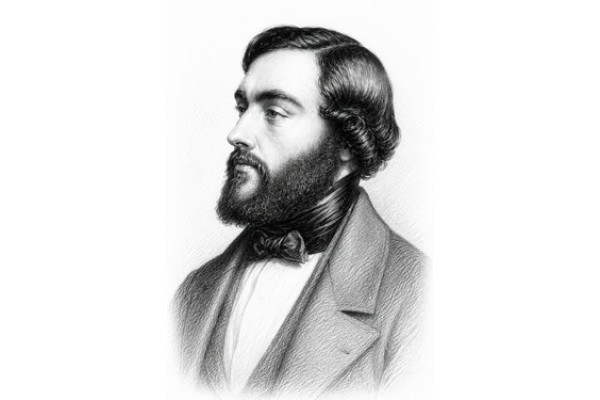
Eugène Sue, born Marie-Joseph Eugène Sue, was a French novelist whose gripping historical romances and social novels made him one of the most widely read authors of the nineteenth century. Born in Paris in 1804, Sue began his career as a naval surgeon before turning to literature, where he achieved extraordinary success through serialized fiction. Explore Eugène Sue books to discover the author's life, literary career, and access notable works, including Arthur , and more.