Paul Lacroix
Paul Lacroix was a French historian, author, and librarian who devoted much of his life to studying the history, customs, and artistic achievements of Europe. Writing under the pen name "Bibliophile Jacob" in many of his works, he became well known for making history both informative and enjoyable. His books explored medieval society, the Renaissance, literature, architecture, and everyday life, helping readers understand not only major historical events but also the lives of ordinary people. Through careful research and engaging storytelling, Lacroix transformed historical subjects into fascinating accounts that continue to attract readers interested in European history and culture.
Bringing the Middle Ages to Life
Paul Lacroix believed that history should include more than kings, queens, and famous battles. He wanted readers to understand how people lived, worked, dressed, celebrated, and solved everyday problems. His books describe homes, markets, festivals, clothing, education, and social traditions, creating a vivid picture of life during different historical periods. By focusing on daily experiences as well as important events, he helped readers appreciate the richness and diversity of medieval and Renaissance society.
A Master of Historical Research
Lacroix spent many years studying ancient manuscripts, historical records, works of art, and rare books. His detailed research allowed him to present accurate information while keeping his writing clear and interesting. Rather than overwhelming readers with facts, he carefully explained how customs and traditions changed over time. His books often included illustrations and descriptions that helped readers imagine the appearance of historic buildings, clothing, and objects. This combination of scholarship and readability made his works valuable to both researchers and general audiences.
Making History Easy to Understand
One of Lacroix's greatest strengths was his ability to explain historical subjects in simple language. He organized his books in a logical way, allowing readers to explore different aspects of society without needing advanced knowledge of history. His writing encourages curiosity by showing how the lives of ordinary people were connected to larger political, religious, and cultural developments. Because of this approach, his books remain useful introductions to European history and continue to inspire readers who enjoy learning about the past.
Essential Works
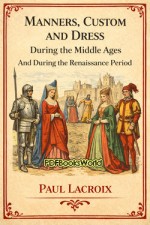
- Manners, Customs and Dress During the Middle Ages and During the Renaissance Period – A detailed study of everyday life, clothing, traditions, and society in medieval and Renaissance Europe.
- Military and Religious Life in the Middle Ages – An exploration of medieval warfare, religion, and social institutions.
- Science and Literature in the Middle Ages – A study of intellectual life, education, and literary achievements during the medieval period.
- The Arts in the Middle Ages and at the Period of the Renaissance – A history of artistic development from medieval Europe to the Renaissance.
- The Eighteenth Century: Its Institutions, Customs, and Costumes – An illustrated account of European society during the eighteenth century.
A Lasting Legacy in Historical Writing
Paul Lacroix's books continue to be valued for their ability to make history engaging, informative, and accessible. His work reminds readers that understanding the past involves exploring the daily lives, beliefs, and traditions of ordinary people as much as studying major historical events. By combining careful scholarship with lively storytelling, he created books that remain useful to students, historians, and anyone interested in the rich cultural heritage of Europe.
Readers interested in medieval history, Renaissance culture, and European traditions can explore Manners, Custom and Dress During the Middle Ages and During the Renaissance Period at PDF Books World. The carefully prepared edition introduces Paul Lacroix's fascinating study of historical society, offering modern readers an opportunity to discover how people lived, dressed, worked, and celebrated across some of Europe's most influential centuries.