
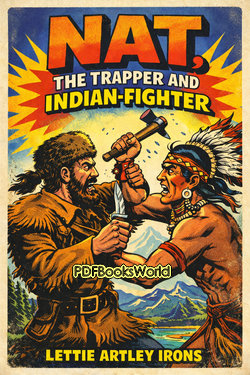
Nat, The Trapper and Indian-Fighter
by Paul J. Prescott
A Frontier Adventure from the Era of the Dime Novel
Nat, The Trapper and Indian-Fighter by Paul J. Prescott is a classic frontier adventure that reflects the excitement, danger, and dramatic storytelling of nineteenth-century dime novels. Set in the American wilderness, the story follows a rugged frontiersman whose skills as a trapper and scout place him at the center of conflicts, rescues, and survival challenges in a rapidly changing frontier world.
Written to entertain a broad audience, the novel emphasizes action, suspense, and heroic exploits. Like many adventure stories of its period, it presents the frontier as a place where courage, resourcefulness, and determination are essential qualities for survival.
The result is a fast-moving narrative filled with wilderness encounters and frontier excitement.
A Hero of the Wilderness
At the center of the story stands Nat, a skilled outdoorsman whose knowledge of forests, rivers, and remote trails makes him uniquely suited to life on the frontier. His abilities as a trapper allow him to navigate difficult terrain and survive in environments that would challenge less experienced individuals.
Nat embodies many of the qualities traditionally admired in frontier heroes. He is courageous, self-reliant, and quick to act when danger threatens. These characteristics make him a natural protagonist for a story built around adventure and survival.
His experiences drive the action and provide the foundation for the novel's excitement.
The Frontier as a World of Challenge
The wilderness setting plays a crucial role throughout the narrative. Dense forests, isolated settlements, hidden trails, and untamed landscapes create an atmosphere where uncertainty is constant and danger may appear without warning.
The frontier is portrayed as both beautiful and unforgiving. While it offers freedom and opportunity, it also demands strength, endurance, and adaptability from those who venture into it.
This combination of wonder and risk gives the story much of its dramatic appeal.
Adventure and Action
The novel follows the traditions of popular frontier fiction by presenting a series of exciting situations that test the hero's abilities and resolve.
- Journeys through remote wilderness regions.
- Rescue missions and daring escapes.
- Tracking and scouting expeditions.
- Encounters that require courage and quick thinking.
These episodes maintain a brisk pace and ensure that readers are continually drawn into new challenges and adventures.
Paul J. Prescott and Popular Frontier Fiction
Paul J. Prescott wrote during a period when frontier stories enjoyed enormous popularity among American readers. Dime novels offered affordable entertainment and often featured larger-than-life heroes overcoming extraordinary obstacles.
Prescott's storytelling reflects many of the conventions that made the genre successful. Clear conflicts, dramatic situations, and adventurous protagonists combine to create a narrative designed to hold the reader's attention from beginning to end.
His work represents an important part of nineteenth-century popular literature.
A Historical Perspective
Modern readers often approach novels like Nat, The Trapper and Indian-Fighter as products of their time. The book reflects attitudes, assumptions, and literary conventions common during the nineteenth century, particularly in stories about frontier life and westward expansion.
As a result, the novel is valuable not only as entertainment but also as a historical artifact. It provides insight into how popular fiction portrayed the American frontier and the kinds of heroes that captured the public imagination.
Understanding this context helps readers appreciate both the story and the era in which it was written.
The Enduring Appeal of Frontier Adventures
Stories of exploration, survival, and courage continue to attract readers because they address universal themes. Individuals facing difficult circumstances, relying on their abilities, and overcoming obstacles remain compelling subjects regardless of historical setting.
The frontier environment amplifies these themes by placing characters in situations where decisions carry significant consequences and personal qualities are constantly tested.
This enduring appeal explains why classic adventure fiction continues to find new audiences.
Final Thoughts
Nat, The Trapper and Indian-Fighter by Paul J. Prescott is an energetic frontier adventure that captures the excitement and spirit of nineteenth-century dime novels. Through its courageous hero, wilderness setting, and fast-paced action, the story offers readers a vivid glimpse into the world of popular frontier fiction.
For readers interested in adventure literature, American frontier stories, and the history of popular fiction, this novel remains an entertaining example of a genre that helped shape the mythology of the American wilderness.
Similar Genres
About the Author
Paul J. Prescott was an American author of frontier adventure fiction whose stories celebrated the rugged landscapes, daring exploits, and resilient characters of the nineteenth-century American West. Writing for readers who enjoyed fast-paced action and wilderness adventures, Prescott created tales filled with scouts, trappers, pioneers, and Native American encounters. Explore Paul J. Prescott books to discover the author's life, literary career, and access notable works.