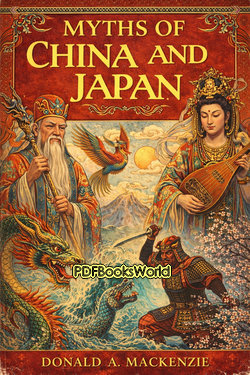
Myths of China and Japan
by Donald A. Mackenzie
Ancient Legends from Two Great Civilizations
Myths of China and Japan by Donald A. Mackenzie is a fascinating exploration of the traditional stories, legends, and beliefs that shaped the cultures of China and Japan. Drawing from centuries of folklore, mythology, and religious traditions, the book introduces readers to a rich world filled with gods, heroes, spirits, dragons, and legendary rulers. Mackenzie presents these myths not merely as entertaining tales but as reflections of the values, fears, and aspirations of the societies that created them.
The work offers a valuable introduction to East Asian mythology, helping readers understand how ancient stories influenced art, literature, religion, and cultural identity. Through these narratives, the book reveals how people sought to explain the mysteries of nature, the origins of the world, and humanity's place within it.
The Power of Myth in Human History
Long before the rise of modern science, myths helped communities understand the world around them. Stories about creation, natural forces, and supernatural beings provided explanations for events that seemed mysterious or beyond human control. In both China and Japan, mythology became deeply connected to religious beliefs, social customs, and national traditions.
Mackenzie examines these stories with an eye toward their historical and cultural significance. He demonstrates how myths evolved over time while continuing to influence generations of storytellers and thinkers.
Chinese Mythology and Its Rich Traditions
Chinese mythology contains a vast collection of stories involving celestial beings, legendary emperors, dragons, and cosmic forces. Many of these tales focus on harmony between heaven, earth, and humanity. They often explore themes of wisdom, duty, and the balance of natural forces.
The book introduces readers to important figures and legends that played a central role in Chinese cultural traditions. These stories provide insight into the values and beliefs that shaped one of the world's oldest civilizations.
Japanese Legends and Sacred Narratives
Japanese mythology blends indigenous traditions with influences from neighboring cultures. Many stories center on powerful deities associated with nature, creation, and the origins of the Japanese islands. These myths helped establish religious traditions and contributed to a shared sense of cultural identity.
Mackenzie highlights the beauty and symbolism found within these narratives, showing how they continue to inspire literature, art, and popular culture. The stories often emphasize respect for nature, spiritual connections, and the importance of ancestry.
Key Elements Found Throughout the Myths
- Creation Stories: Narratives explaining the origins of the world and humanity.
- Dragons and Spirits: Supernatural beings connected to nature and power.
- Heroes and Rulers: Legendary figures whose actions shape history and culture.
- Divine Forces: Gods and goddesses who influence the lives of humans.
These recurring elements help connect diverse stories while revealing shared human concerns about existence, destiny, and the natural world.
Similarities and Differences Between the Traditions
One of the most interesting aspects of the book is its comparison of Chinese and Japanese mythology. While the two traditions share certain themes and cultural influences, each developed unique stories and interpretations. Chinese myths often emphasize cosmic order and philosophical ideas, while Japanese legends frequently focus on sacred landscapes, ancestral origins, and spiritual relationships with nature.
By examining both traditions together, Mackenzie provides readers with a broader understanding of East Asian cultural history.
Why Mythology Continues to Matter
Although myths originated in ancient times, their influence remains visible today. They continue to inspire novels, films, artwork, and modern storytelling. Many cultural traditions, festivals, and symbols can trace their origins back to these legendary narratives.
Studying mythology also offers insight into how different societies understood the world and expressed their deepest hopes, fears, and ideals. These stories remain powerful because they address universal human questions.
Why Myths of China and Japan Remains Worth Reading
Myths of China and Japan serves as an engaging gateway into two of the world's richest mythological traditions. Through its exploration of gods, heroes, spirits, and legendary events, Donald A. Mackenzie helps readers appreciate the cultural heritage and imaginative storytelling of China and Japan. The book remains a valuable resource for anyone interested in mythology, history, folklore, and the enduring power of ancient legends.
Similar Genres
About the Author
Donald A. Mackenzie was a Scottish journalist, folklorist, historian, and prolific author whose writings introduced readers to the myths, legends, religions, and ancient civilizations of the world. Born in Cromarty, Scotland, in 1873, Mackenzie devoted much of his career to exploring the cultural traditions of Egypt, Babylonia, Greece, India, and the Celtic lands. Explore Donald A. Mackenzie books to discover the author's life, literary career, and access notable works, including Myths of Babylonia and Assyria , and more.