Myths and Marvels of Astronomy
by Richard A. Proctor
Celestial Legends, Scientific Curiosity, and the Wonders of the Universe
Myths and Marvels of Astronomy by Richard A. Proctor is a fascinating popular science work exploring astronomical mysteries, historical beliefs, cosmic phenomena, and the ways humanity has attempted to understand the heavens throughout history. Combining scientific explanation with cultural reflection, the book examines both genuine astronomical discoveries and the myths, misconceptions, and speculations that once surrounded them.
Proctor presents astronomy as a field where imagination, observation, and scientific reasoning continually interact in humanity’s effort to comprehend the universe.
Exploring Ancient Beliefs and Astronomical Mysteries
The book investigates subjects such as planetary theories, comets, eclipses, the Moon, meteors, astrology, celestial superstitions, and misconceptions about the structure of the universe.
Proctor explains how earlier civilizations interpreted unusual celestial events through mythology, religion, and folklore before the rise of modern scientific astronomy.
Rather than mocking older beliefs, the work often treats them as important stages in humanity’s intellectual development and curiosity about the cosmos.
The volume also explores how scientific observation gradually replaced superstition and speculation with evidence-based understanding.
Its tone combines scientific education with storytelling, historical reflection, and enthusiasm for astronomical discovery.
Subjects and Themes Explored Throughout the Book
- Astronomical Myths and Superstitions: Proctor examines historical beliefs surrounding celestial events and cosmic phenomena.
- Scientific Discovery and Observation: The book explains how astronomy gradually developed through evidence and careful study.
- Comets, Meteors, and Planetary Mysteries: Unusual astronomical objects and events are explored with both historical and scientific interest.
- The Relationship Between Imagination and Science: The work reveals how curiosity and wonder often inspire scientific investigation.
The book reflects nineteenth-century enthusiasm for popular science and public fascination with the mysteries of the universe.
From Cosmic Myth to Scientific Understanding
One of the work’s strongest ideas is that humanity’s understanding of the heavens evolved gradually from mythological interpretation toward scientific explanation.
Proctor repeatedly demonstrates how observation, mathematics, and improved instruments transformed ancient mysteries into subjects of rational inquiry.
The book also emphasizes that scientific progress does not destroy wonder, but instead deepens appreciation for the complexity and beauty of the cosmos.
This balance between imagination and scientific reasoning gives the work lasting appeal.
Richard A. Proctor’s Engaging Popular Science Style
Myths and Marvels of Astronomy demonstrates Richard A. Proctor’s remarkable ability to explain astronomy in vivid, entertaining, and accessible language.
The writing remains lively, thoughtful, and strongly focused upon awakening curiosity about both scientific discovery and historical belief.
Proctor consistently presents astronomy as a deeply human attempt to understand the universe and humanity’s place within it.
Why the Book Still Fascinates Modern Readers
Modern readers continue finding Myths and Marvels of Astronomy engaging because it combines scientific explanation with cultural history, mythology, and reflections on human curiosity.
The book also provides insight into how nineteenth-century readers understood astronomy during a period of rapid scientific advancement.
For readers interested in astronomy, mythology, history of science, popular science writing, celestial folklore, and the cultural history of cosmic discovery, this work remains educational, historically revealing, and richly entertaining.
Similar Genres
About the Author
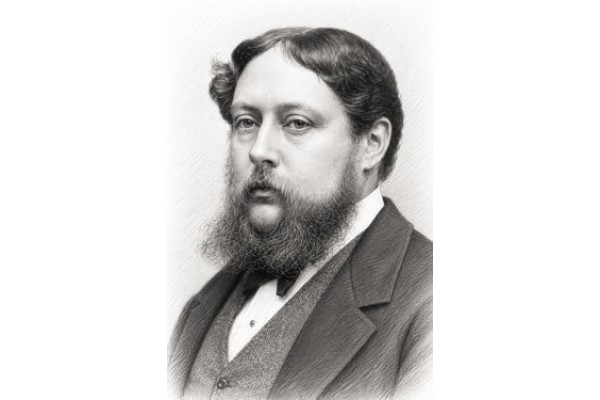
Richard A. Proctor, born Richard Anthony Proctor, was an English astronomer, science writer, and lecturer whose engaging books introduced countless readers to the wonders of the universe during the nineteenth century. Born in Chelsea, London, in 1837, Proctor became one of the era's most respected popularizers of astronomy, combining scientific accuracy with a lively and accessible writing style. Explore Richard A. Proctor books to discover the author's life, literary career, and access notable works, including Half-hours with the Telescope , and more.