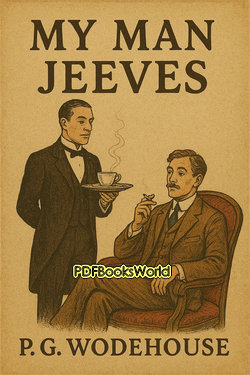
My Man Jeeves
by P. G. Wodehouse
Humor, Chaos, and Clever Servants in My Man Jeeves
My Man Jeeves by P. G. Wodehouse is a delightful collection of comic stories featuring some of the author’s most famous characters. First published in 1919, the book combines witty dialogue, lighthearted misunderstandings, and absurd social situations to create one of the great classics of humorous English fiction.
The collection introduces Jeeves, the brilliant and unshakably calm valet whose intelligence repeatedly rescues his employers from embarrassing situations. Through mistaken romances, awkward social encounters, and comic disasters, Wodehouse creates a world filled with charm and laughter.
Why the Book Remains Popular
P. G. Wodehouse became famous for his elegant humor, playful language, and unforgettable comic timing. His stories continue to entertain readers because they focus on amusement, personality, and clever dialogue rather than serious conflict.
Reasons Readers Continue to Enjoy the Stories
- Sharp and witty humor
- Memorable comic characters
- Lighthearted and entertaining plots
- Clever dialogue and wordplay
- Timeless social comedy
The Jeeves stories remain some of the most admired works in comic literature.
Jeeves and the Art of Problem Solving
Jeeves stands out because of his calm intelligence and ability to solve complicated social problems with ease. While the other characters often act impulsively or foolishly, Jeeves quietly restores order through careful planning and observation.
The contrast between Jeeves’s brilliance and the confusion surrounding him creates much of the book’s humor.
Readers interested in comic literature and satire can explore Britannica’s article on comedy in literature.
Wodehouse’s Comic World
The stories take place in a playful version of upper-class English society filled with clubs, country houses, romantic misunderstandings, and eccentric personalities. Wodehouse avoids serious political or social conflict, focusing instead on creating entertaining and humorous situations.
His comic universe remains appealing because of its warmth, imagination, and emotional comfort.
Major Themes in the Book
- Friendship and loyalty
- Social embarrassment and misunderstanding
- Intelligence versus foolishness
- The humor of everyday life
- Order emerging from chaos
P. G. Wodehouse’s Writing Style
P. G. Wodehouse is celebrated for his playful language, inventive similes, and perfectly timed comic dialogue. His writing combines elegance with absurdity, creating humor that feels both sophisticated and effortless.
The rhythm of his sentences and the precision of his jokes helped establish him as one of the greatest comic writers in English literature.
More about P. G. Wodehouse’s literary career and influence can be found through Encyclopaedia Britannica’s biography of P. G. Wodehouse.
The Book’s Influence on Comic Fiction
My Man Jeeves helped popularize the comic servant-master relationship that became central to many later Jeeves stories. Wodehouse’s influence can be seen in modern sitcoms, comic novels, and character-based humor.
His stories continue to attract readers because they provide wit, comfort, and escapist entertainment without losing literary elegance.
Readers interested in humorous writing and satire can also visit Poetry Foundation’s overview of satire.
Final Thoughts
My Man Jeeves remains a timeless collection of comic storytelling filled with unforgettable characters and sparkling humor. P. G. Wodehouse created a literary world where intelligence, confusion, and wit combine to produce enduring laughter and charm.
Similar Genres
About the Author
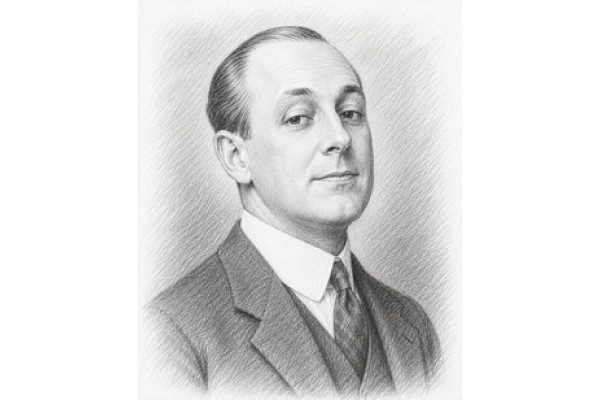
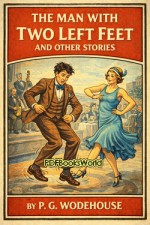
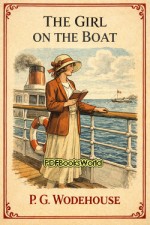
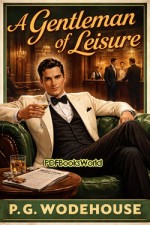
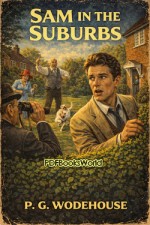
P. G. Wodehouse, born Pelham Grenville Wodehouse in 1881, remains one of the most beloved humorists in English literature. Renowned for his effortless wit, ingenious plots, and unforgettable comic characters, Wodehouse created a literary world where misunderstandings, eccentric personalities, and improbable situations unfolded with irresistible charm. Explore P. G. Wodehouse books to discover the author's life, literary career, and access notable works, including The Man with Two Left Feet and Other Stories, The Girl on the Boat, A Gentleman of Leisure, Sam in the Suburbs , and more.