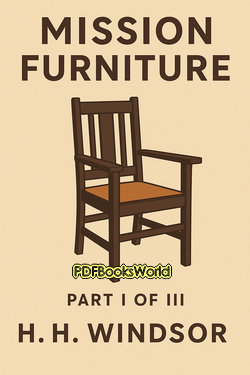
Mission Furniture - Part I of III
by H. H. Windsor
Craftsmanship and Simplicity in Mission Furniture: How to Make It, Part I
At the beginning of the twentieth century, mission-style furniture became highly popular because of its simple appearance and strong handcrafted design. Mission Furniture: How to Make It, Part I by H. H. Windsor introduced readers to practical woodworking projects that combined beauty with functionality. The book reflects the growing appreciation for handmade furniture during the Arts and Crafts movement, a period that valued skill, durability, and honest craftsmanship over excessive decoration.
Readers interested in the history of the Arts and Crafts movement can explore Encyclopaedia Britannica.
Why Mission Furniture Became So Popular
Mission furniture offered a major contrast to the heavily decorated Victorian designs that came before it. Instead of ornate carvings and complex details, mission-style pieces focused on clean lines, solid wood, and visible construction. The result was furniture that looked practical, sturdy, and timeless.
Many people appreciated the style because it emphasized quality over unnecessary decoration. The furniture was designed to be useful in everyday life while still maintaining a refined and elegant appearance.
- Simple geometric designs
- Strong wooden construction
- Visible craftsmanship and joinery
- Functional household use
- Natural wood finishes
A Practical Guide for Woodworking Enthusiasts
One of the reasons the book remains interesting today is its practical teaching style. Windsor explains furniture construction in a clear and approachable way that makes the projects feel achievable for ordinary readers. Detailed illustrations help explain measurements, materials, and assembly methods step by step.
The handbook includes instructions for building several useful household items, allowing readers to learn woodworking skills while creating functional furniture.
- Chairs and seating
- Tables and desks
- Book racks and shelves
- Cabinets and stands
- Decorative household pieces
Readers interested in woodworking traditions and furniture craftsmanship can visit Popular Woodworking.
The Influence of the Arts and Crafts Movement
The book strongly reflects the ideas of the Arts and Crafts movement, which encouraged people to value handmade work during a time of increasing industrial production. Designers and craftsmen believed factory-made products often lacked individuality and artistic quality.
Mission furniture became a symbol of that philosophy. Its exposed joints, sturdy frames, and carefully selected materials highlighted the importance of craftsmanship rather than hiding the construction behind decoration.
Why Modern Readers Still Appreciate the Book
Even in the modern era, many readers continue to enjoy older woodworking guides because they focus on patience, creativity, and hands-on skill. The rise of DIY culture and home workshops has introduced a new generation to traditional woodworking methods and handcrafted furniture.
Mission-style furniture also fits well with modern interior design because of its simplicity and clean appearance. Many contemporary homes still use furniture inspired by the same design principles described in Windsor’s book.
- Encourages creative craftsmanship
- Promotes practical DIY skills
- Teaches traditional woodworking methods
- Focuses on durability and quality
- Matches modern minimalist design trends
More Than a Woodworking Manual
Although the book mainly teaches furniture construction, it also captures an important moment in design history. It reflects a cultural shift toward simplicity, craftsmanship, and pride in handmade work. Readers can see how furniture design became connected to larger ideas about art, labor, and everyday living in early twentieth-century America.
A Lasting Appreciation for Handmade Design
More than a century after its publication, Mission Furniture: How to Make It, Part I still appeals to woodworkers, collectors, and readers interested in traditional craftsmanship. Its straightforward instructions and appreciation for handmade quality continue to make the book valuable for anyone fascinated by woodworking and classic furniture design.
Similar Genres
About the Author
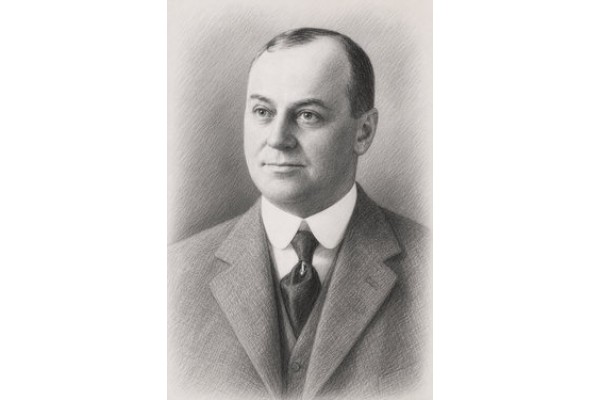
Henry Haven Windsor was an American publisher, editor, inventor, and author best known as the founder of Popular Mechanics magazine. Born in 1859, Windsor devoted his career to making science, engineering, mechanics, and practical craftsmanship accessible to everyday readers. Explore H. H. Windsor books to discover the author's life, literary career, and access notable works, including Mission Furniture - Part II of III, Mission Furniture - Part III of III , and more.