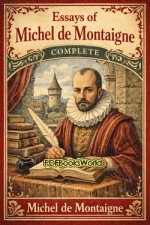
Michel de Montaigne
Michel de Montaigne was one of the most influential philosophers and essayists in the history of world literature. A French Renaissance thinker, he is widely credited with popularizing the literary essay as a form of personal reflection and intellectual exploration. Rather than presenting fixed answers, Montaigne encouraged readers to question assumptions, examine their own experiences, and think independently about life, knowledge, and human nature. His writing combined honesty, curiosity, and remarkable insight, making his essays timeless works that continue to inspire philosophers, writers, and readers around the world. His influence extends across literature, education, psychology, and modern philosophy, and many of his observations remain as relevant today as when they were first written.
Inventing the Modern Essay
Michel de Montaigne transformed literary writing by creating essays that explored ordinary experiences with extraordinary depth. Instead of writing formal philosophical treatises, he reflected on topics such as friendship, education, happiness, fear, aging, travel, and the uncertainty of human knowledge. He frequently drew upon classical authors, personal memories, and everyday observations to develop thoughtful discussions that invited readers to reflect on their own lives. His conversational style and willingness to admit uncertainty distinguished him from many writers of his era and established a new literary tradition that continues to flourish today.
A Philosopher of Human Nature
One of Montaigne's greatest strengths was his ability to understand the complexity of human behavior. He believed that people should approach life with humility, recognizing that absolute certainty is often impossible. His essays explore emotions, habits, customs, and moral questions without offering rigid conclusions, encouraging readers to think critically and form their own judgments. This open-minded approach made his work remarkably modern and has allowed his ideas to remain meaningful across cultures and generations. His thoughtful reflections continue to influence philosophy, ethics, psychology, and personal development.
A Lasting Influence on Literature and Thought
The impact of Montaigne's writing can be seen in the works of countless authors, philosophers, and scholars who followed him. Writers such as William Shakespeare, Francis Bacon, Ralph Waldo Emerson, Friedrich Nietzsche, and Virginia Woolf admired his originality and intellectual honesty. His essays demonstrated that personal experience could become a powerful source of universal wisdom, inspiring generations of essayists to combine reflection with literary artistry. Today, he is regarded as one of the founding figures of modern humanistic thought and one of the greatest prose writers in European literature.
Some of His Most Influential Works
- Essays (Essais) – His monumental collection exploring philosophy, human nature, and everyday life.
- Essays of Michel de Montaigne Complete – A complete edition of his celebrated essays, presenting his ideas across a wide range of subjects.
- On Friendship – A classic reflection on companionship, loyalty, and human relationships.
- On Education of Children – An influential essay discussing learning, character, and intellectual development.
- On Experience – A thoughtful exploration of personal knowledge and the lessons of everyday life.
An Enduring Legacy of Thought
Michel de Montaigne's writings remain among the greatest achievements of Renaissance literature because they celebrate curiosity, self-examination, and intellectual freedom. His essays encourage readers to embrace uncertainty, appreciate the richness of human experience, and approach life with honesty and compassion. More than four centuries after they were written, his reflections continue to inspire readers seeking wisdom, balance, and a deeper understanding of themselves and the world around them.
Readers interested in philosophy, classic literature, and timeless reflections on human nature can explore the works of Michel de Montaigne at PDF Books World and discover why his essays continue to be regarded as masterpieces of thoughtful and enduring prose.