
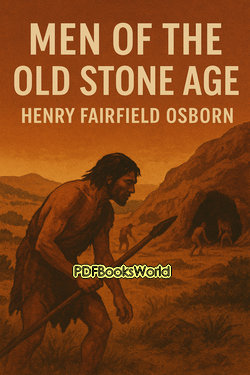
Men of the Old Stone Age
by Henry Fairfield Osborn
Exploring Prehistoric Life in Men of the Old Stone Age
Men of the Old Stone Age by Henry Fairfield Osborn is an informative and fascinating book about early human history. The author studies the lives of prehistoric humans during the Stone Age and explains how people survived long before modern civilization began. Through scientific discoveries, fossils, cave drawings, and ancient tools, the book gives readers a clear picture of life thousands of years ago.
Osborn was a well-known scientist and historian who wanted ordinary readers to understand human origins in a simple and interesting way. His work combines science, archaeology, and storytelling to describe the development of early humans and their struggle for survival.
What Is the Old Stone Age?
The Old Stone Age, also called the Paleolithic Age, was the earliest period of human history. During this time, humans used simple stone tools and depended on nature for food and shelter.
Main features of the Old Stone Age included:
- Hunting wild animals
- Gathering fruits, nuts, and plants
- Living in caves or temporary shelters
- Using stone weapons and tools
- Learning to control fire
The book explains how these early people slowly developed skills that helped humans survive difficult climates and dangerous environments.
Early Humans and Their Environment
One of the most interesting parts of the book is its description of prehistoric environments. Osborn explains that early humans lived during the Ice Age, a time when large parts of the Earth were covered in ice and temperatures were extremely cold.
Humans had to adapt to harsh conditions and compete with powerful animals such as:
- Mammoths
- Woolly rhinoceroses
- Cave bears
- Sabre-toothed cats
- Wild horses
The author shows how intelligence, cooperation, and tool-making allowed humans to survive despite these dangers.
The Importance of Stone Tools
Stone tools play a major role in the book because they provide important evidence about prehistoric life. Early humans created tools for hunting, cutting, scraping, and protection.
Common Stone Age Tools
- Hand axes
- Stone knives
- Spears
- Scrapers
- Hammer stones
Osborn explains that scientists study these tools carefully to understand how humans lived and developed over time.
Cave Art and Human Creativity
The book also discusses prehistoric cave paintings found in Europe. These paintings show animals, hunting scenes, and symbols created by early humans thousands of years ago.
According to Osborn, cave art proves that prehistoric humans were not simply wild survivors. They also had creativity, imagination, and emotional expression.
What Cave Paintings Reveal
- Early artistic skills
- Knowledge of animals
- Religious or spiritual beliefs
- Communication through symbols
- Social cooperation
These discoveries changed the way people viewed prehistoric humans and showed that intelligence developed much earlier than once believed.
The Growth of Human Intelligence
Another important theme in the book is human evolution. Osborn explains how humans slowly became more intelligent and organized through learning and experience.
| Early Development | Human Progress |
|---|---|
| Simple stone tools | Improved hunting methods |
| Living in caves | Building shelters |
| Fear of nature | Learning survival skills |
| Primitive communication | Development of language |
| Small groups | Organized communities |
The book presents human progress as a long journey shaped by adaptation and discovery.
Scientific Importance of the Book
When the book was published, it helped many readers understand archaeology and prehistoric science in a simple way. Osborn used evidence from fossils and excavations to explain how scientists study ancient humans.
The book was important because it connected scientific research with everyday readers who wanted to learn about human origins.
Writing Style and Readability
Henry Fairfield Osborn writes in a clear and educational style. Although the subject is scientific, the language remains understandable for general readers. The book combines facts with vivid descriptions that make prehistoric life feel real and exciting.
Readers interested in history, science, and archaeology can enjoy the book without needing expert knowledge.
Main Themes in the Book
1. Human Survival
The book highlights the struggles early humans faced while surviving dangerous climates and animals.
2. Adaptation
Humans learned to adapt through intelligence, teamwork, and innovation.
3. Scientific Discovery
Archaeology and fossil research help modern people understand ancient civilizations.
4. Human Creativity
Cave paintings and tools show that prehistoric humans had imagination and artistic ability.
Why the Book Still Matters
Even today, Men of the Old Stone Age remains valuable because it introduces readers to the story of human beginnings. The book encourages curiosity about science, history, and the development of civilization.
Modern readers can still appreciate its explanations of prehistoric life and its detailed descriptions of early human culture.
Final Thoughts
Men of the Old Stone Age by Henry Fairfield Osborn is an engaging exploration of prehistoric humanity. The book explains how early humans survived, learned, created tools, and slowly developed civilization during the Stone Age.
Through scientific evidence and clear storytelling, Osborn brings ancient history to life and reminds readers of the long journey that shaped human civilization.
Similar Genres
About the Author
Henry Fairfield Osborn (1857–1935) was an American paleontologist, geologist, educator, and museum leader who made important contributions to the study of prehistoric life and human evolution. As president of the American Museum of Natural History for many years, he encouraged scientific research and helped expand public interest in fossils, ancient animals, and early human history. Explore Henry Fairfield Osborn books to discover the author's life, literary career, and access notable works.