
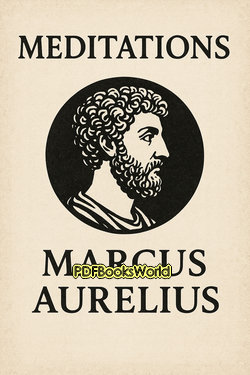
Meditations
by Marcus Aurelius
Introduction
Meditations is one of the most influential works of philosophy ever written. Created by the Roman emperor Marcus Aurelius between 170 and 180 CE, the book contains personal reflections on self-discipline, wisdom, morality, and human nature. Originally written as private notes, the text later became a timeless guide to Stoic philosophy and personal growth.
About the Author
Marcus Aurelius was a Roman emperor and philosopher who ruled from 161 to 180 CE. Despite leading one of the world’s greatest empires, he devoted much of his life to studying Stoicism, a philosophy focused on reason, virtue, and inner peace. His writings in Meditations reveal a thoughtful leader searching for wisdom and self-improvement even during times of war and political pressure.
Overview of the Book
Meditations is divided into twelve books containing short reflections and philosophical observations. Rather than telling a story, the work presents Marcus Aurelius’ thoughts on how to live a meaningful and disciplined life. He reflects on duty, mortality, emotions, justice, and the importance of controlling one’s thoughts.
The book encourages readers to focus on what they can control while accepting the natural flow of life. Through calm reasoning and self-awareness, Marcus Aurelius explains how people can achieve inner stability even during hardship and uncertainty.
Major Themes
- Self-Discipline and Control – The book teaches the importance of mastering emotions and maintaining rational thinking.
- Acceptance of Change – Marcus Aurelius reminds readers that change is a natural part of life and should not be feared.
- Living with Virtue – Wisdom, honesty, courage, and justice are presented as the foundations of a good life.
- Mortality and Time – The author frequently reflects on the shortness of life and the importance of using time wisely.
- Inner Peace – True happiness comes from within rather than from wealth, fame, or external success.
Writing Style
The writing style of Meditations is simple, direct, and reflective. Since the work was originally written as private notes, the language feels personal and sincere. Marcus Aurelius avoids unnecessary complexity and focuses on practical wisdom that readers can apply in everyday life.
Philosophical Importance
Meditations is considered one of the greatest texts of Stoic philosophy. The book has inspired readers for centuries because of its timeless lessons about resilience, self-control, and ethical living. Philosophers, leaders, and modern readers continue to study the work for guidance on handling stress, uncertainty, and personal challenges.
Why Readers Still Appreciate Meditations
Modern audiences continue to connect with Meditations because its lessons remain relevant in today’s fast-paced world. The book encourages mindfulness, emotional balance, and thoughtful decision-making. Readers interested in philosophy, self-improvement, leadership, and mental resilience often consider it an essential classic.
Conclusion
Meditations is far more than a historical philosophical text. It is a timeless guide to personal growth, wisdom, and emotional strength. Through honest reflections and practical advice, Marcus Aurelius created a work that continues to inspire readers seeking clarity, discipline, and inner peace.
Similar Genres
About the Author
Marcus Aurelius was a Roman emperor, philosopher, and writer whose reflections on duty, self-discipline, and inner peace have inspired readers for nearly two thousand years. As one of the most respected rulers of the Roman Empire, he led during challenging times while remaining committed to the principles of Stoic philosophy. Explore Marcus Aurelius books to discover the author's life, literary career, and access notable works.