Medical Inquiries and Observations, Vol. 3 (of 4)
by Benjamin Rush
Clinical Observation, Epidemic Disease, and Medical Thought in Early America
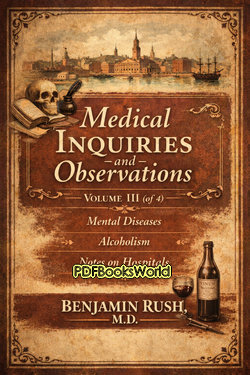
Medical Inquiries and Observations, Vol. 3 (of 4) by Benjamin Rush continues the influential medical writings of one of the most important physicians of early American history. The volume gathers essays and case studies examining epidemics, fevers, nervous disorders, public health, and the practice of medicine during the late eighteenth and early nineteenth centuries.
Rush combines scientific curiosity with practical medical experience while attempting to understand disease through observation, documentation, and broader environmental analysis.
Studying Illness in a Changing Medical World
The collection explores numerous medical conditions affecting early American society, particularly recurring epidemics and contagious diseases that threatened rapidly growing cities.
Rush carefully records symptoms, patient experiences, treatment methods, and environmental conditions in an effort to identify patterns connected to disease and recovery.
Many essays focus on fevers, nervous disorders, circulation, digestion, and the relationship between bodily systems and emotional health.
The volume also reflects a period when physicians increasingly relied upon empirical observation and organized reasoning rather than inherited assumptions alone.
Although some treatments advocated by Rush are now considered scientifically outdated, the collection remains historically important because of its emphasis on inquiry and systematic medical thought.
Medical Topics Explored Throughout the Volume
- Epidemics and Infectious Disease: Rush studies outbreaks of fever and contagious illness affecting early American communities.
- Clinical Observation and Case Studies: The essays emphasize detailed recording of symptoms, treatment methods, and patient outcomes.
- Nervous Disorders and Physical Health: Rush explores the connections between bodily systems, emotional strain, and disease.
- Public Health and Environmental Conditions: Climate, sanitation, diet, and living conditions are examined as major influences upon health and mortality.
The collection captures medicine during a transitional era when scientific reasoning increasingly shaped healthcare and medical education.
Medicine as Scientific Investigation
One of the work’s strongest ideas is that physicians must investigate disease through disciplined observation and continual inquiry rather than relying entirely upon traditional authority.
Rush repeatedly attempts to connect symptoms, environmental conditions, and bodily processes into broader explanations of illness.
The essays also reflect Enlightenment confidence in reason and scientific investigation as tools capable of improving public wellbeing and reducing suffering.
Rush viewed medicine not simply as treatment of individual patients, but as a field closely connected to education, hygiene, public welfare, and civic responsibility.
This broader perspective helped shape the development of early American public health thinking.
Benjamin Rush’s Lasting Influence on American Medicine
Medical Inquiries and Observations demonstrates Benjamin Rush’s central role in shaping medical education and scientific medicine in the United States. Beyond his work as a physician, Rush was also an educator, reformer, and major intellectual figure during the American Enlightenment.
His writings reveal both the progress and limitations of medicine before the rise of modern bacteriology, laboratory science, and advanced clinical research.
The collection therefore serves both as medical literature and as an important historical record of evolving scientific thought.
Why the Volume Still Holds Historical Importance
Modern readers continue finding Medical Inquiries and Observations, Vol. 3 historically valuable because it documents early American approaches to epidemics, diagnosis, treatment, and public health during a formative period in medical history.
The essays provide insight into how physicians attempted to understand disease before modern microbiology and advanced scientific medicine transformed healthcare.
For readers interested in medical history, epidemic disease, Enlightenment science, public health, and the origins of American medical practice, this volume remains historically revealing and intellectually significant.
Similar Genres
About the Author
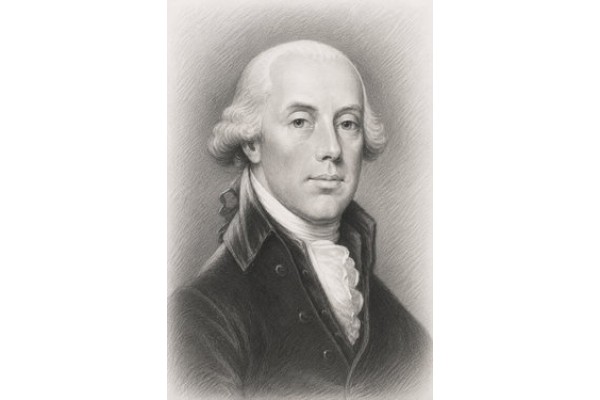
Benjamin Rush was an American physician, educator, humanitarian, and Founding Father whose contributions shaped the early intellectual and medical history of the United States. Born in Pennsylvania in 1746, Rush combined a distinguished medical career with an unwavering commitment to public service, education, and social reform. Explore Benjamin Rush books to discover the author's life, literary career, and access notable works, including Medical Inquiries and Observations, Vol. 1 (of 4), Medical Inquiries and Observations, Vol. 2 (of 4), Medical Inquiries and Observations, Vol. 4 (of 4) , and more.