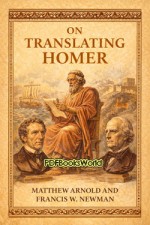
Mathew Arnold
Matthew Arnold was an English poet, literary critic, cultural commentator, and educator whose writings had a profound influence on Victorian literature and criticism. Best known for combining intellectual depth with elegant prose, Arnold believed that literature should elevate society by promoting culture, wisdom, and moral reflection. Alongside his celebrated poetry, he produced influential essays on education, religion, and literary criticism that continue to shape the study of English literature. On Translating Homer is one of his most important critical works, examining the principles and challenges of translating one of the greatest epics of the ancient world.
A Leading Voice of Victorian Literature
Matthew Arnold built a distinguished career as both a poet and an Inspector of Schools, balancing literary achievement with public service. His experiences in education strengthened his belief that literature played an essential role in developing thoughtful, informed citizens. Through his essays and lectures, he encouraged readers to value intellectual curiosity, careful scholarship, and the enduring importance of the classics.
Shaping Modern Literary Criticism
Arnold's essays transformed the study of literature by emphasizing careful analysis, historical understanding, and high artistic standards. He argued that great works should be judged by their lasting excellence rather than temporary popularity. His critical writings explore poetry, culture, religion, and education while encouraging readers to approach literature with both appreciation and thoughtful judgment.
On Translating Homer presents Arnold's views on how classical poetry should be translated into English. Drawing upon his deep knowledge of Greek literature, he discusses the qualities that make Homer's poetry distinctive and argues that translators should preserve its clarity, dignity, and natural movement rather than merely reproduce individual words.
A Clear and Elegant Style
Matthew Arnold wrote with precision, balance, and remarkable clarity. His prose is thoughtful yet accessible, allowing complex literary ideas to be understood without unnecessary technical language. Whether discussing poetry, education, or culture, he combined careful reasoning with graceful expression, making his essays enduring examples of literary criticism.
His ability to unite scholarship with readable prose has ensured that his works remain valuable to students, teachers, and general readers alike.
Notable Works
- Culture and Anarchy – A classic study of society, education, and the importance of culture.
- Essays in Criticism – Influential essays on literature, poetry, and literary standards.
- Literature and Dogma – A thoughtful examination of religion, literature, and moral philosophy.
- Dover Beach – One of Arnold's most celebrated poems, reflecting on faith and the modern world.
- The Study of Poetry – An important essay exploring the nature and value of great poetry.
An Enduring Literary Legacy
Matthew Arnold remains one of the most influential literary critics of the nineteenth century. His essays helped establish modern approaches to literary criticism while his poetry continues to be admired for its emotional depth and reflective quality. His ideas about culture, education, and the lasting value of great literature continue to inspire readers and scholars around the world.
Readers interested in literary criticism, classical literature, and Victorian thought will find lasting value in the writings of Matthew Arnold. Whether beginning with On Translating Homer or exploring his many essays and poems, they will discover an author whose intellectual insight and literary craftsmanship have stood the test of time.